
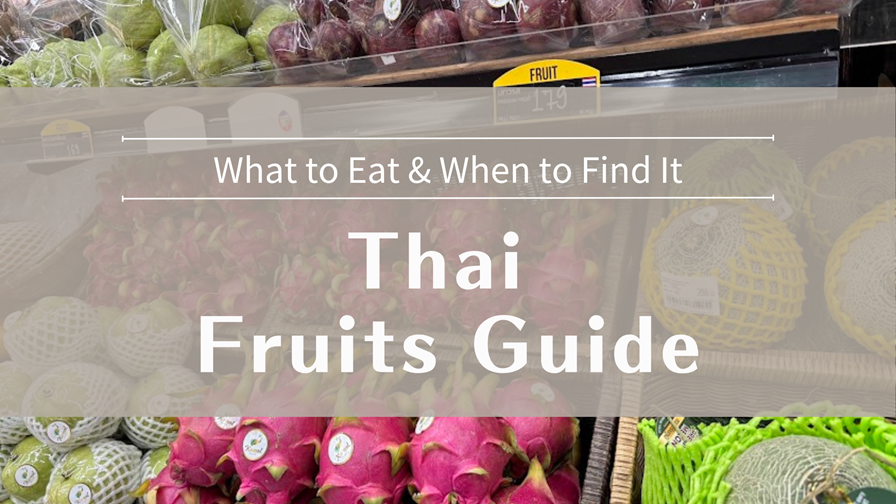
Thailand is a paradise for fruit lovers, with a wide variety of tropical fruits to enjoy throughout the year.
From sweet mangoes to creamy durian and refreshing mangosteen, this Thai fruits guide covers 11 must-try fruits, their seasons, and where to buy them during your trip.

Thai Fruit Season Calendar: When to Eat Thai Fruits
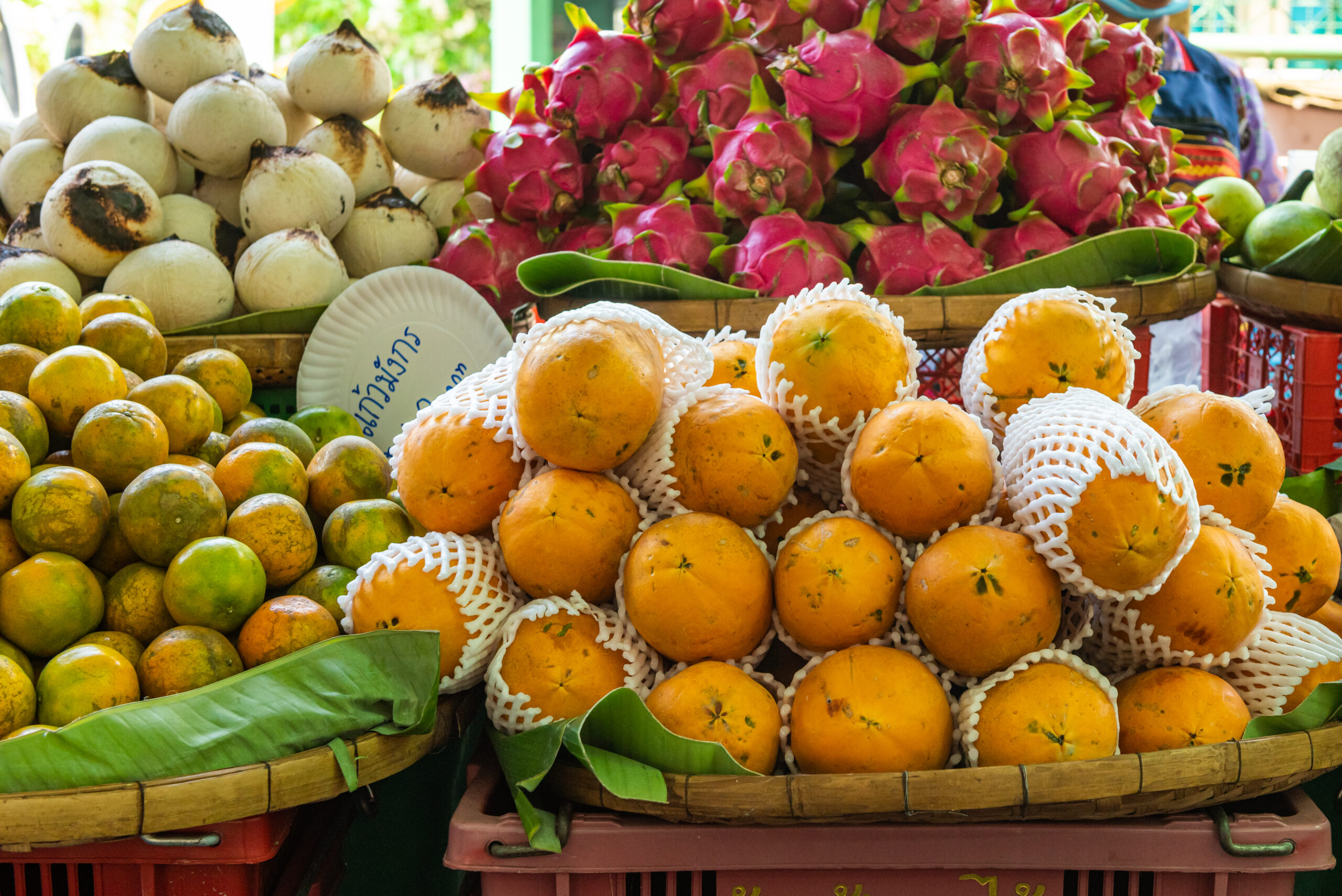
Thailand offers a wide variety of tropical fruits throughout the year, but some are best enjoyed during specific seasons. Here’s a quick guide to help you find Thai fruits in season during your trip.
Thai Fruits in Season from January to March
Bananas, papayas, pineapples, coconuts, and watermelons are widely available during this period. Mango season also begins around March, with more varieties becoming available as the hot season progresses.
Thai Fruits in Season from April to June
April to June is a great time to enjoy seasonal Thai fruits, including mangoes, durians, mangosteens, and rambutans. Availability varies by region, but this period offers plenty of opportunities to try Thailand’s famous tropical fruits.
Fruits to Enjoy During Thailand’s Rainy Season
Thailand’s rainy season generally runs from around May to October, although timing varies by region. Seasonal fruits such as mangosteen, durian, and rambutan may be available during the early rainy months, while bananas, papayas, and coconuts are easier to find throughout the year.
11 Must-Try Thai Fruits and When to Eat Them
Thailand is home to a wonderful variety of tropical fruits, from sweet and juicy mangoes to unusual fruits with distinctive flavors and textures. Here are 11 Thai fruits to try during your trip, along with their key characteristics and typical seasons.
Mango: Sweet and Juicy Thai Favorite
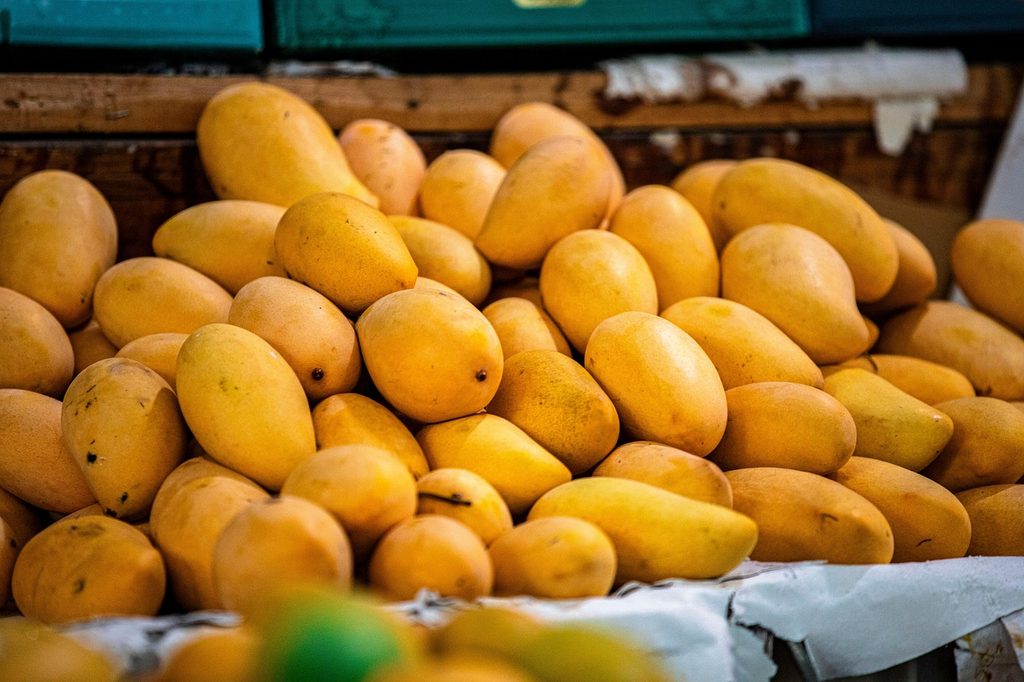
Mango is one of Thailand’s most popular fruits. Ripe Thai mangoes are sweet, fragrant, and juicy, and they are often served with sticky rice and coconut milk in the famous dessert mango sticky rice.
- Taste and texture: Sweet, juicy, and soft when ripe.
- Season: Generally March to June, with peak availability around April and May.
Mangosteen: The Queen of Fruits
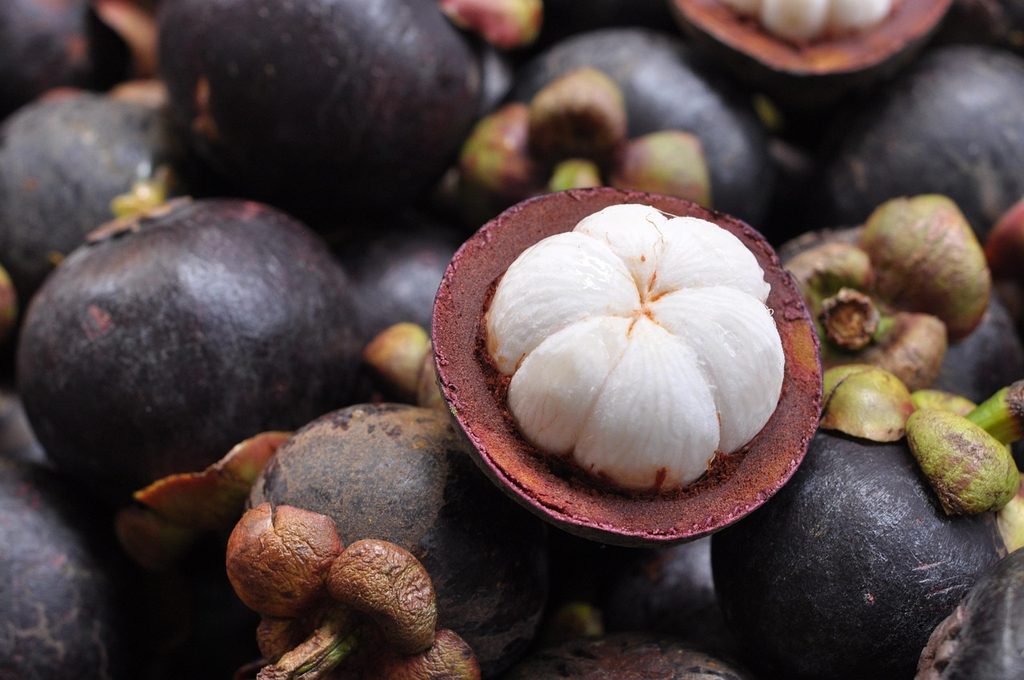
Known as the queen of fruits, mangosteen has a thick purple rind and delicate white flesh. Its refreshing sweet-and-tart flavor makes it a favorite among tropical fruit lovers.
- Taste and texture: Tender, juicy, and sweet with a slight tang.
- Season: Generally May to September, with timing varying by region.
Durian: The King of Fruits
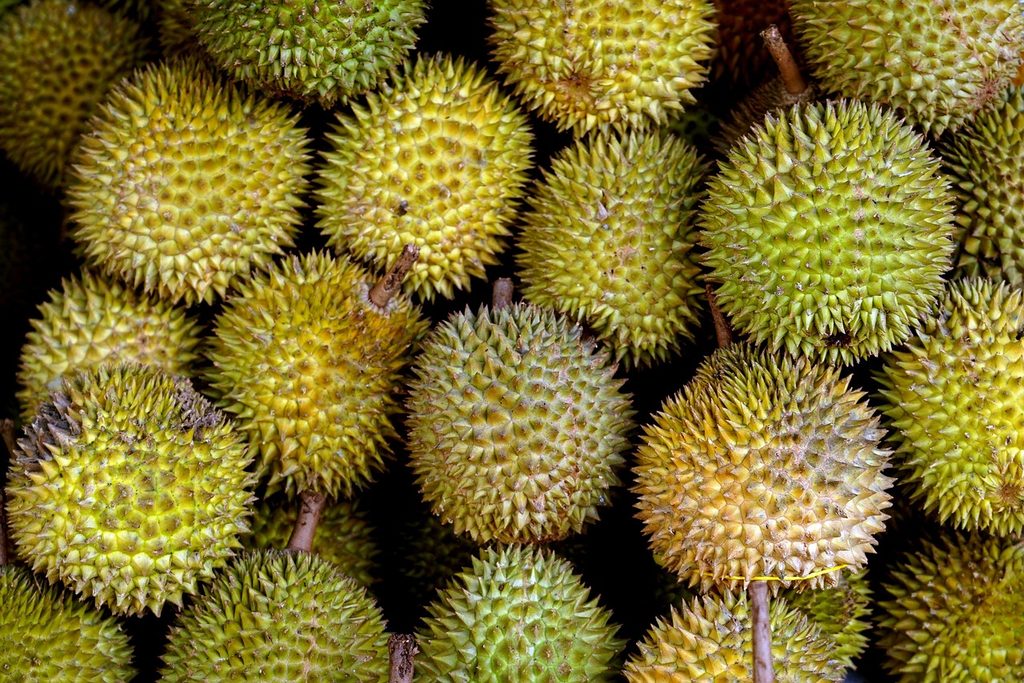
Durian is famous for its strong aroma, spiky shell, and rich, creamy flesh. Its distinctive smell divides opinion, but its custard-like texture and complex sweetness make it worth trying if you’re curious about Thai fruits.
- Taste and texture: Rich, creamy, and sweet, with a distinctive aroma.
- Season: Generally April to August, with peak availability varying by region.
Dragon Fruit: Mild and Refreshing
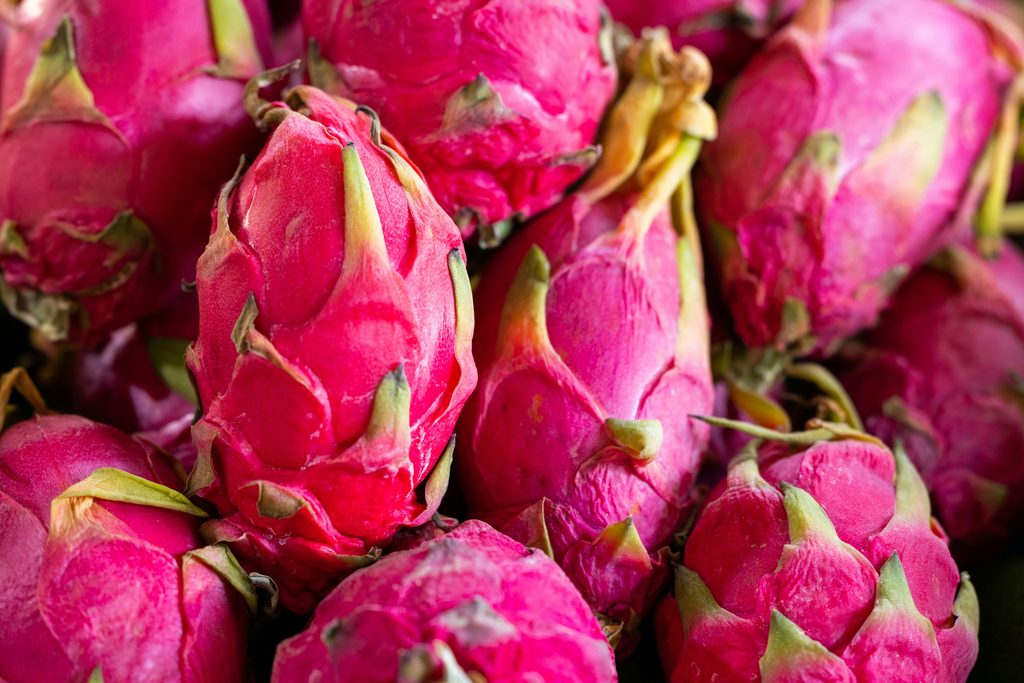
Dragon fruit stands out with its bright pink or yellow skin and white or red flesh dotted with tiny black seeds. It has a mild flavor and high water content, making it a refreshing choice in Thailand’s hot weather.
- Taste and texture: Mildly sweet, juicy, and lightly crunchy from the seeds.
- Season: Available for much of the year, although production and availability vary.
Rambutan: A Hairy Fruit with Sweet Flesh
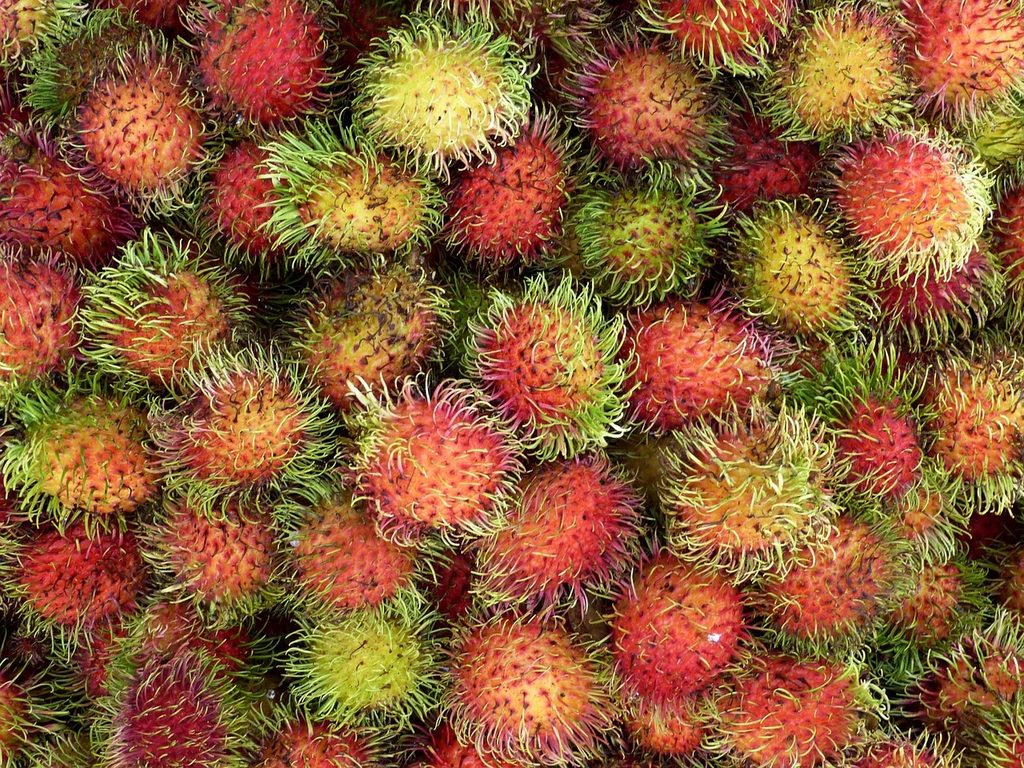
Rambutan is easy to recognize by its red or yellowish skin covered in soft, hair-like spines. Peel away the skin to reveal translucent white flesh surrounding a central seed.
- Taste and texture: Sweet, juicy, and similar in texture to lychee.
- Season: Generally May to September, depending on the growing region.
Pineapple: Sweet and Refreshing
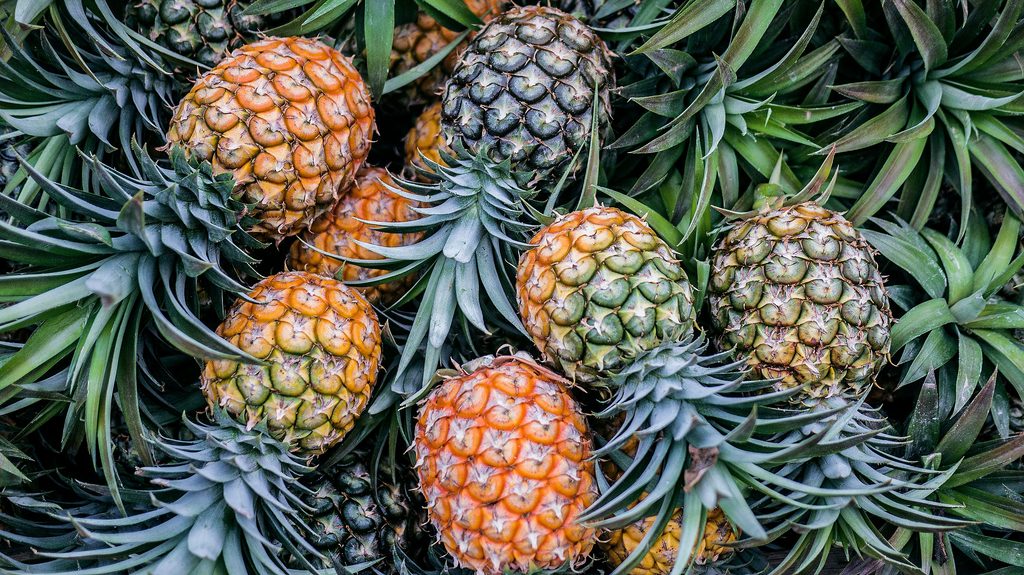
Thai pineapples are popular for their fragrant aroma and balance of sweetness and acidity. They are sold whole or freshly cut at markets and street stalls, making them an easy snack while sightseeing.
- Taste and texture: Juicy, fragrant, and sweet with a refreshing tang.
- Season: Available year-round, with seasonal variation depending on the region and variety.
Thai Bananas: Popular Varieties and Grilled Bananas
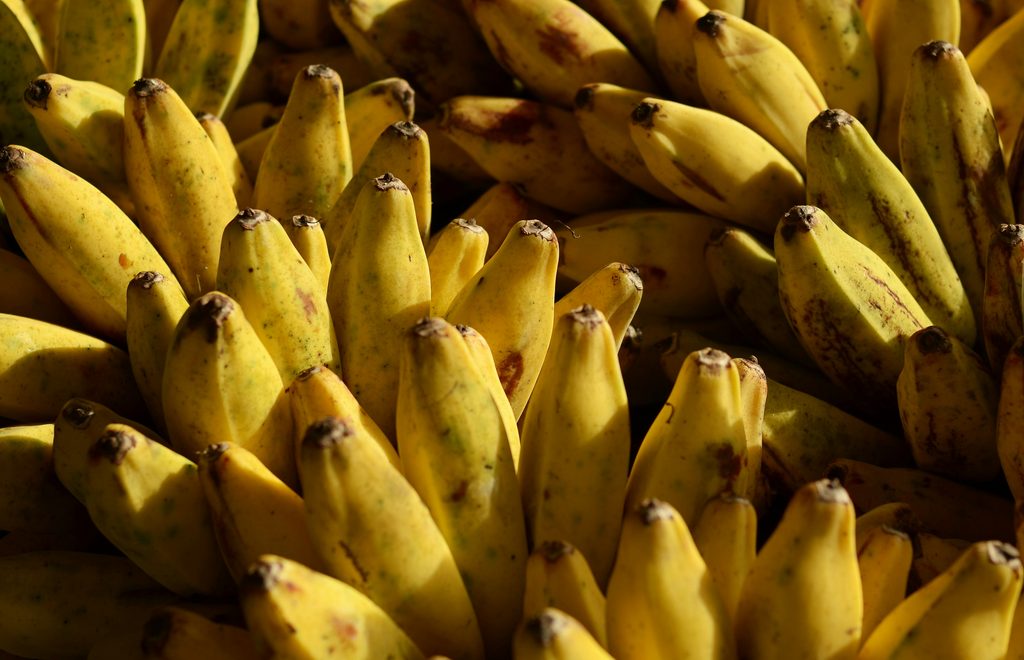
Thailand has several banana varieties, ranging from small, sweet bananas to larger varieties used in cooking. Grilled bananas are a popular street snack, developing a caramelized exterior and soft interior as they cook.
- Taste and texture: Sweet and soft when ripe; grilled bananas are often chewier and caramelized.
- Season: Available year-round.
Papaya: Enjoy It Fresh or in Som Tam
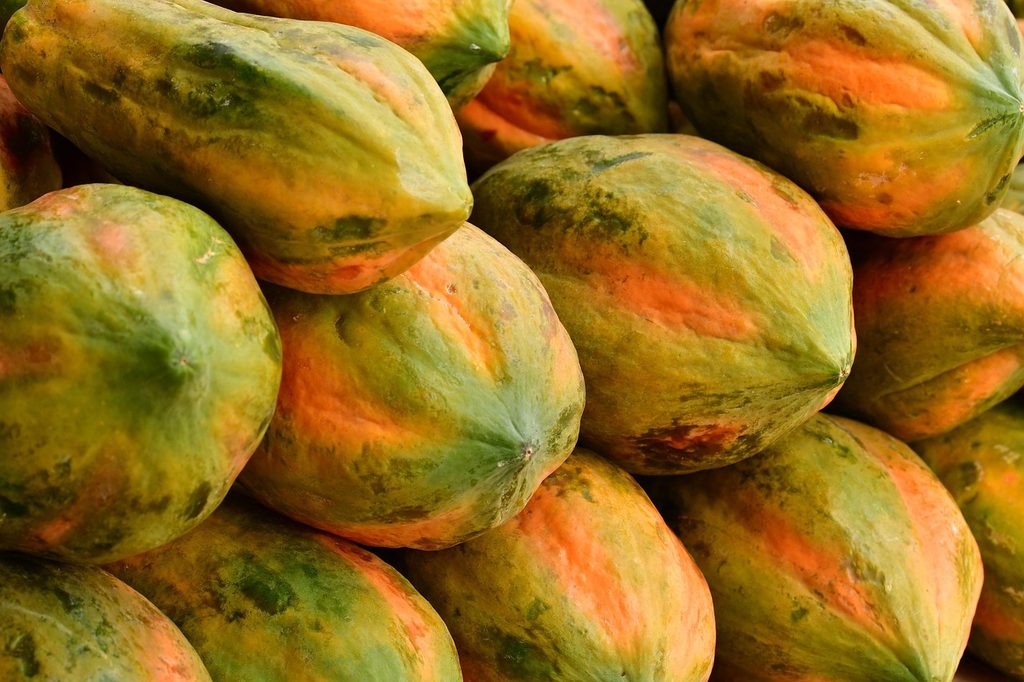
Ripe papaya has orange flesh and a soft texture, while unripe green papaya is crisp and commonly used in som tam, Thailand’s famous spicy green papaya salad. This fruit is a versatile ingredient in both sweet and savory dishes.
- Taste and texture: Ripe papaya is mildly sweet and soft; green papaya is crisp and neutral in flavor.
- Season: Available year-round in Thailand.
Rose Apple (Chompoo): Crisp and Refreshing
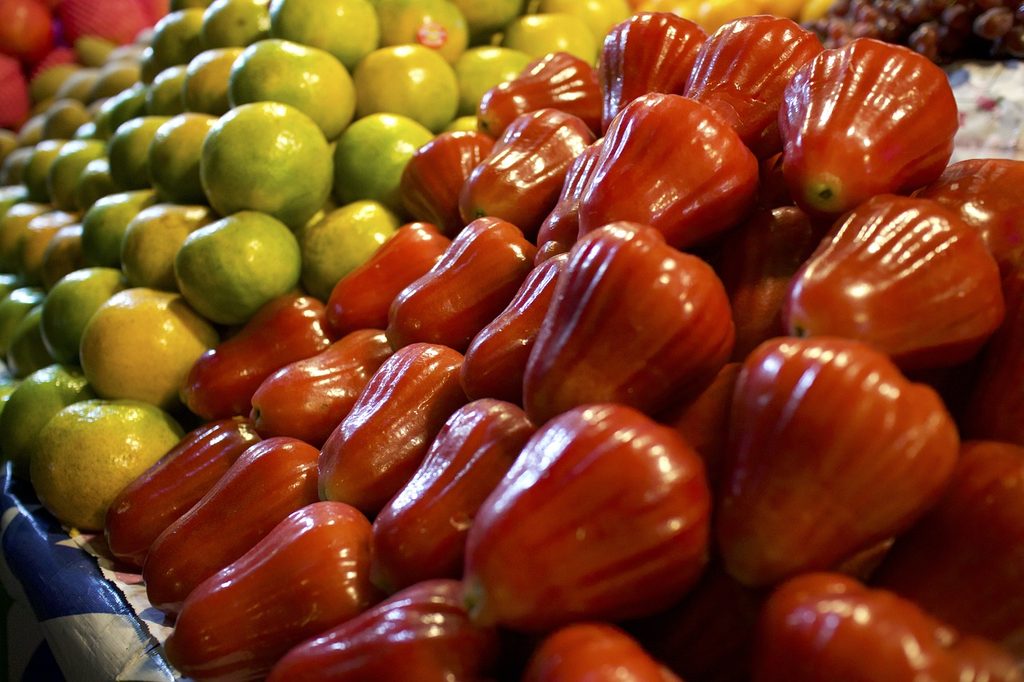
Rose apple, known locally as chompoo, has a bell-shaped appearance and pale pink, red, or green skin. Unlike many tropical fruits, it is valued for its crisp texture and refreshing bite rather than intense sweetness.
- Taste and texture: Lightly sweet, watery, and crunchy.
- Season: Often available for much of the year, depending on the variety and region.
Coconut: Fresh Water, Flesh, and Desserts
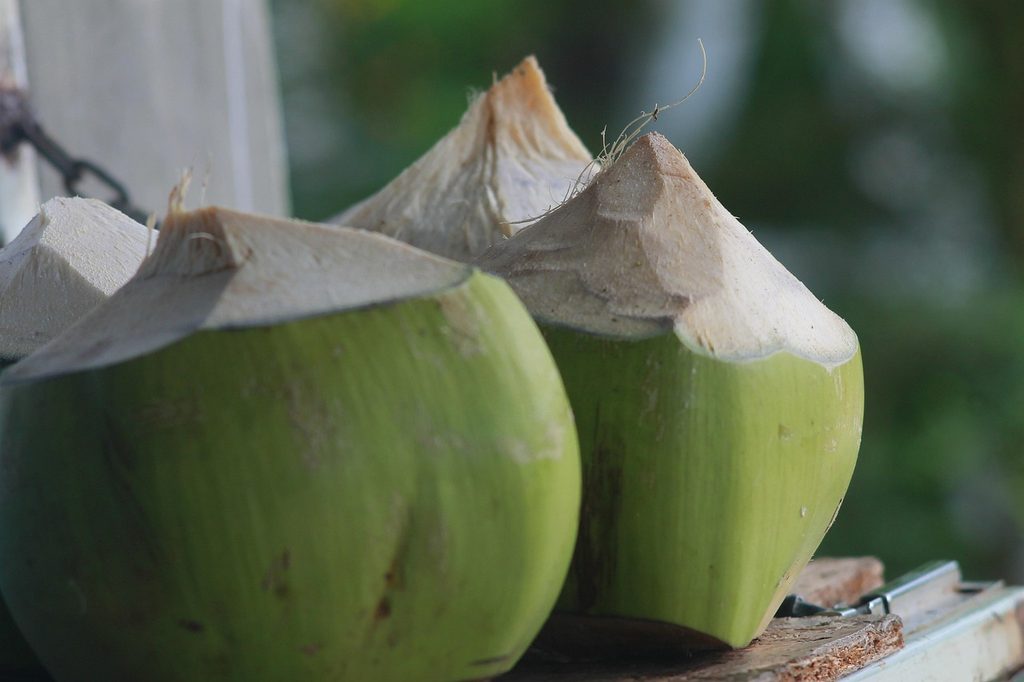
Fresh coconuts are widely enjoyed in Thailand, especially in hot weather. Young coconuts contain refreshing coconut water and soft flesh, while coconut milk is an essential ingredient in many Thai desserts and dishes.
- Taste and texture: Coconut water is light and refreshing; young coconut flesh is soft and tender.
- Season: Available year-round.
Watermelon: A Refreshing Fruit for Hot Days
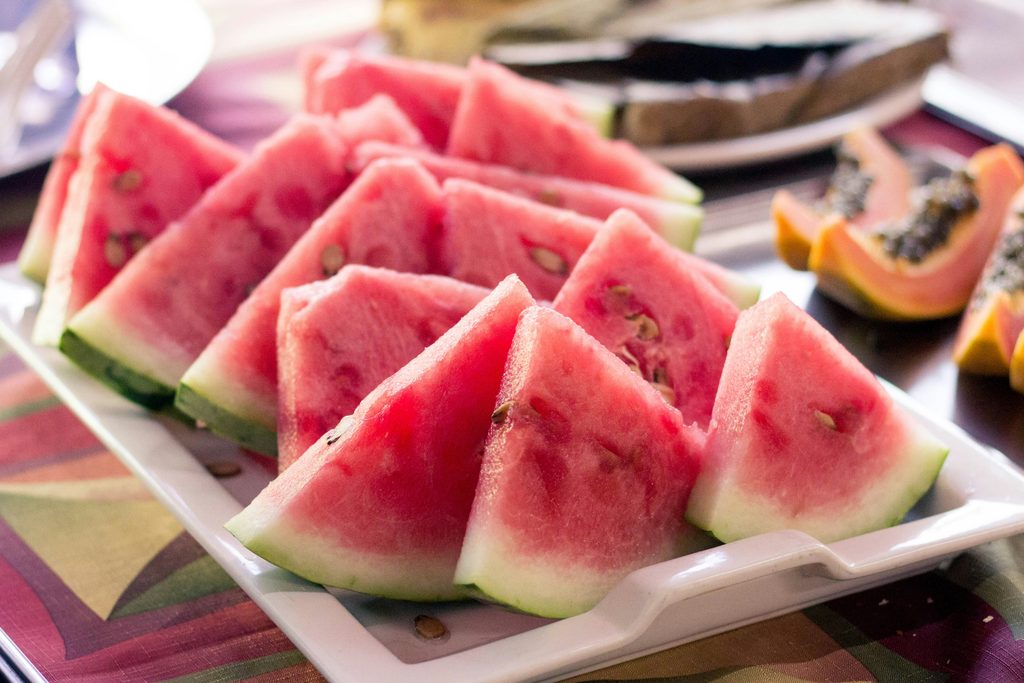
Watermelon is a popular choice in Thailand’s tropical climate. It is often sold in chilled, ready-to-eat portions at markets, food stalls, and convenience stores.
- Taste and texture: Sweet, juicy, and crisp, with a high water content.
- Season: Available year-round, although supply and quality may vary seasonally.
Where to Buy Fresh Fruit in Thailand
Fresh Thai fruits are easy to find at local markets, street stalls, supermarkets, and fruit shops.
Local Markets and Street Stalls
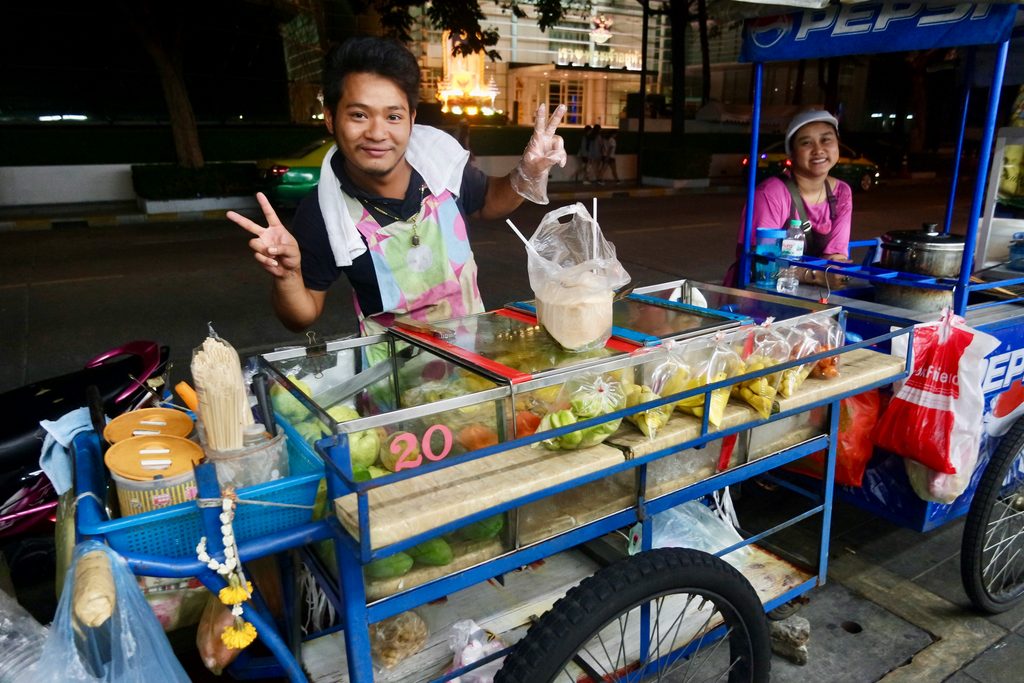
Local markets and street stalls are great places to find seasonal fruits and freshly cut portions. They are convenient for sampling different fruits while exploring Thailand.
Supermarkets and Fruit Shops
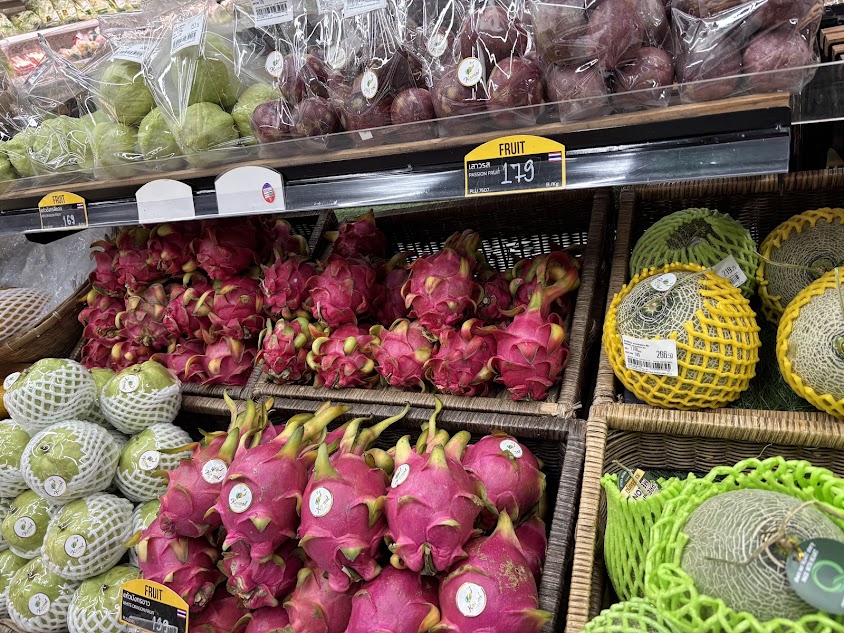
Supermarkets and fruit shops offer whole fruits and ready-to-eat portions. Check the freshness and packaging when buying pre-cut fruit.
How to Enjoy Thai Fruits: Desserts and Popular Dishes
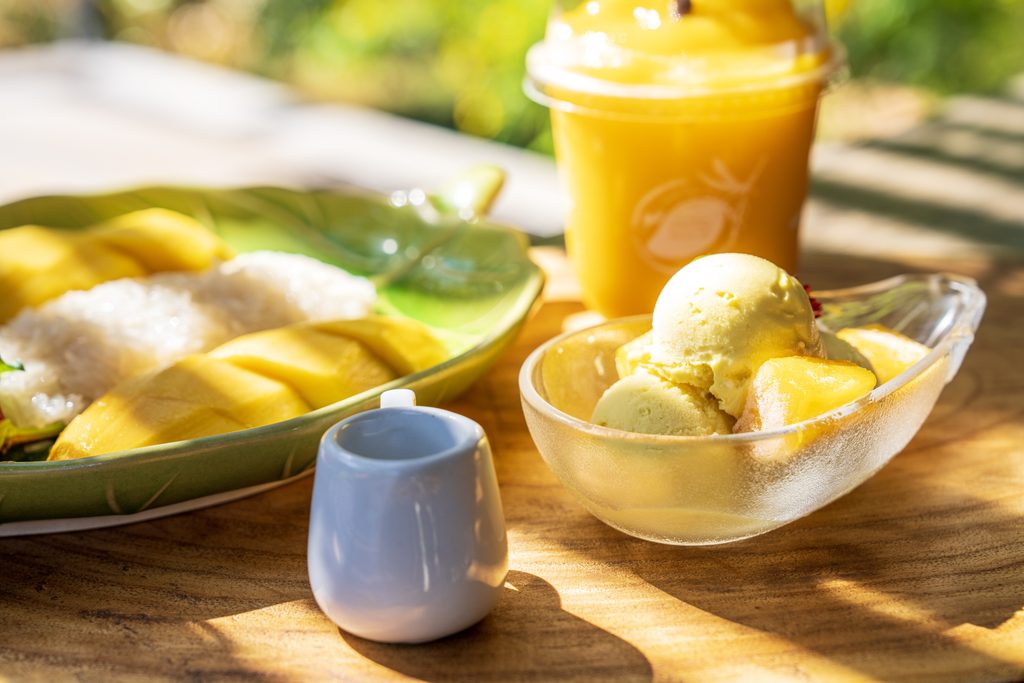
Thai fruits can be enjoyed fresh or in popular local dishes and desserts.
- Mango sticky rice: Ripe mango served with sticky rice and coconut milk.
- Fruit smoothies: Blended tropical fruits make a refreshing drink.
- Grilled bananas: A popular street snack with a soft, caramelized texture.
- Som tam: A spicy Thai salad made with shredded unripe green papaya.
Can You Bring Thai Fruits Home? What Travelers Need to Know
Before packing fresh Thai fruit for your journey home, check the import and quarantine rules of your destination country. Some fruits may be restricted or prohibited, even when purchased from a supermarket.
If you are returning to Japan, check the latest guidance from Japan’s Plant Protection Station before bringing fruit home. Rules vary by fruit and country of origin, so do not assume that all fruits are allowed.
Thai Fruits FAQ
Final Thoughts: Enjoy Thailand’s Tropical Fruits
Thailand offers a wide variety of tropical fruits, from sweet mangoes to refreshing mangosteen and creamy durian. Try seasonal fruits at local markets and street stalls, and explore Thai desserts to discover new flavors during your trip.
With this guide to Thai fruits, their seasons, and where to buy them, you can make fruit tasting a delicious part of your Thailand travel experience.