Tipping in Thailand can be confusing for first-time visitors. Is it mandatory? How much is enough? In 2026, as Thailand becomes more cashless, the way we handle gratuities is subtly changing.
The good news is that tipping remains a voluntary gesture of gratitude, not a social obligation.
This quick guide covers everything you need to know—from current rates for massages and hotels to understanding that tricky “Service Charge” on your restaurant bill. Let’s ensure you can navigate the Land of Smiles with confidence and grace.
Is Tipping Mandatory in Thailand in 2026?
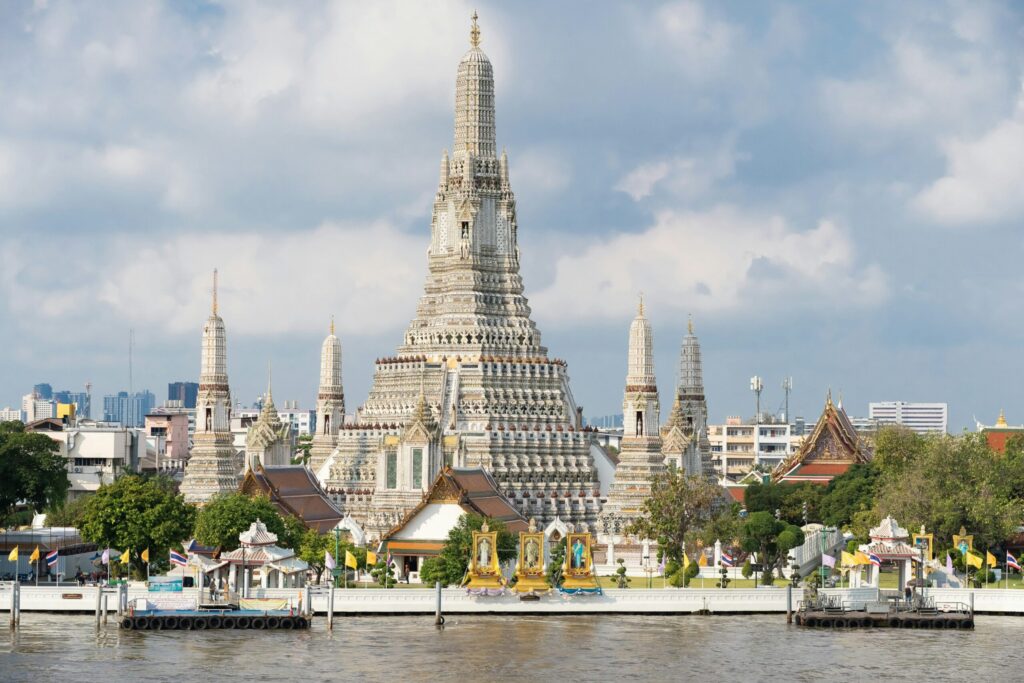
The short answer is no. Tipping is not a strict requirement in Thailand, unlike the rigid tipping culture found in North America. In the “Land of Smiles,” there is no “rule” that dictates you must leave a specific percentage for every service.
However, as we move through 2026, tipping has become a widely accepted way to show appreciation for good service. It is best thought of as a voluntary gesture rather than a social obligation.
A Gesture of “Nam-Jai” (Gratitude):
In Thai culture, there is a beautiful concept called “Nam-Jai,” which literally translates to “water from the heart.” It represents kindness and sincere generosity without expecting anything in return.
When you leave a small gratuity for a therapist who eased your travel fatigue or a guide who shared hidden local gems, it is seen as an act of Nam-Jai. It’s a way to say, “I truly appreciated your effort.” While not mandatory, these small gestures are received with genuine gratitude and a warm smile.
When You Don’t Need to Tip:
To travel with peace of mind, it’s just as important to know when tipping is not expected. You do not need to feel pressured to tip in the following situations:
- Street Food Stalls: Prices are low, and the service is quick.
- Fast Food Chains: Much like in the West, tipping is not part of the system here.
- Casual Local Eateries: If you’re grabbing a quick bowl of noodles at a local spot, no tip is necessary.
2026 Tipping Rates by Scene (Quick Reference Table)
For those who want a quick guide to stay “smart” during their 2026 visit, here is a summary of the current tipping standards in Thailand.
| Service Scene | Suggested Gratuity (2026) | Key Notes |
| Hotel Porters | 20 – 50 THB | Per bag (Hand directly to the staff) |
| Housekeeping | 20 – 50 THB | Only for special requests or extra help |
| Local Massage | 50 – 100 THB | For a 1-hour session |
| Luxury Hotel Spa | 100 – 200 THB+ | Or approx. 10-15% of the treatment |
| Tour Guides | 100 – 500 THB | Per group (Depends on the duration) |
| Private Drivers | 50 – 100 THB | For half/full day service |
| Taxis / Grab | Round up the fare | e.g., if it’s 82 THB, give 90 or 100 |
The “Service Charge” Mystery: How to Read the Bill
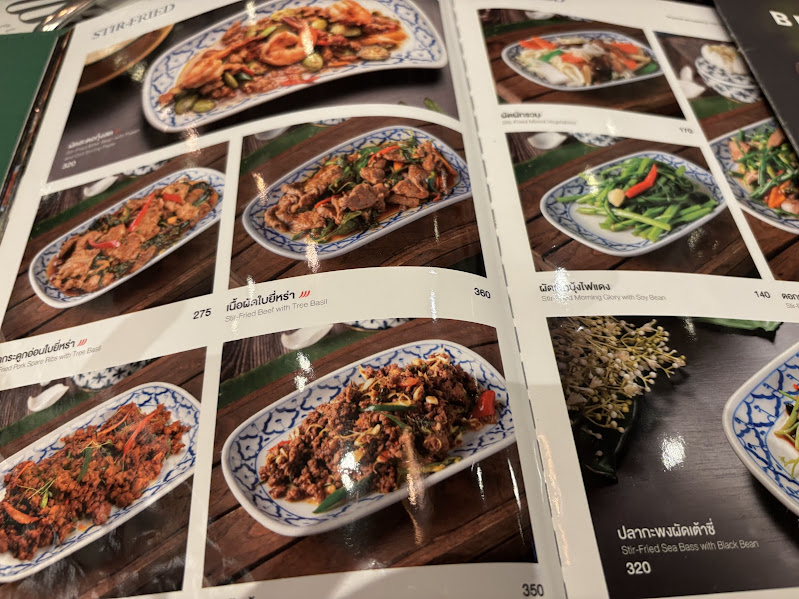
When you dine at mid-to-high-end restaurants or hotel dining rooms in Thailand, you might notice that the final price on the menu isn’t exactly what you see on the bill.
This is due to the “10+7” system. Understanding this will save you from overthinking your tip.
Deciphering the “10+7” Rule
Most established restaurants in Thailand apply two additional charges to your subtotal:
- 10% Service Charge: This is a pre-calculated gratuity that goes toward the establishment and its staff.
- 7% VAT (Value Added Tax): The standard government sales tax in Thailand.
On a menu, you will often see a small “++” next to the price (e.g., 500++ THB). This means the service charge and tax are not included yet.
In total, you’ll be paying about 17.7% more than the listed price. If the menu says “Nett,” it means all taxes and service charges are already included.
To Tip or Not to Tip with Service Charge?
The golden question: If I’ve already paid a 10% service charge, should I leave more?
The short answer is: Additional tipping is not expected. Since the 10% service charge is already factored into your bill, you have technically already “tipped.”
You can pay the exact amount on the receipt without any social awkwardness.
Tipping Etiquette for Massages and Luxury Spas
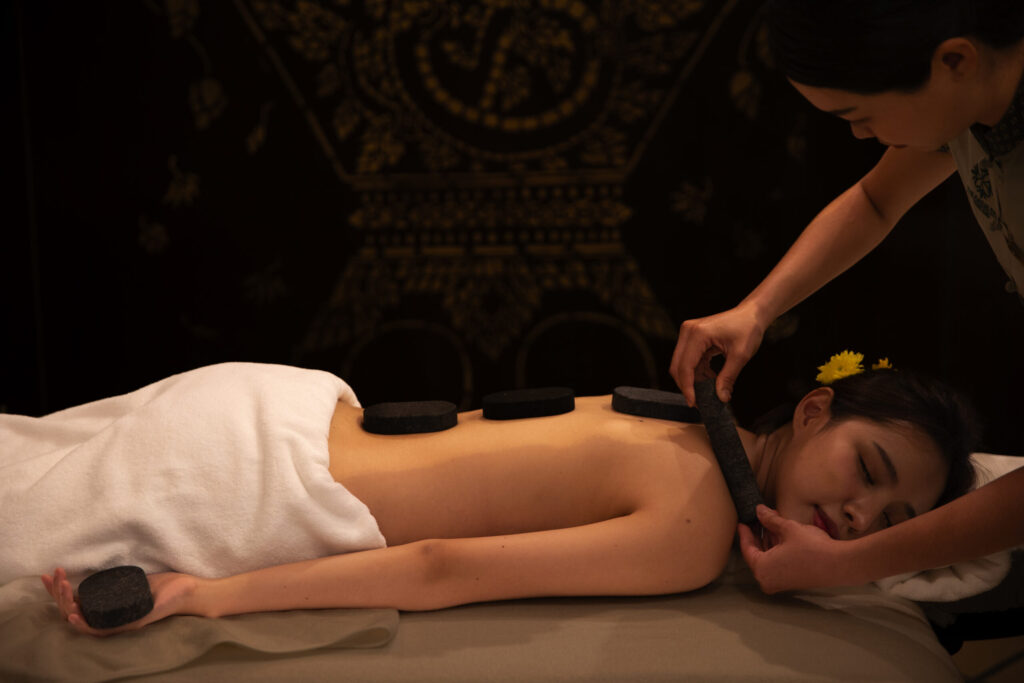
Thailand is famous for its world-class wellness treatments, ranging from humble street-side parlors to opulent hotel sanctuaries.
Since massage therapy is a highly personal and labor-intensive service, tipping is more common here than in any other industry.
The Standard for Local Massage Shops
At neighborhood parlors or “street” massage shops (where a Thai massage typically costs 300–500 THB), a tip of 50 to 100 THB per hour is the gold standard.
- If you received a standard foot or Thai massage, 50 THB is perfectly fine.
- If the therapist was exceptionally skilled or worked hard on your specific knots, 100 THB is a generous and very welcome gesture.
Gratuities at High-End Hotel Spas
At luxury spas within 5-star hotels, where treatments can range from 2,000 to 5,000 THB+, the expectation shifts slightly.
- A tip of 100 to 200 THB per therapist is a respectable minimum.
- Alternatively, following a 10–15% rule of the total bill is considered very smart and professional.
Even if your spa bill includes a 10% service charge, it is still customary to provide a small additional tip directly to your therapist, as the service charge is often shared across the entire hotel staff.
How to Hand Over the Tip Gracefully
In Thailand, the most common and polite way is to hand the tip directly to your therapist rather than leaving it at the reception desk.
After your treatment, your therapist will usually see you out or bring you tea. This is the best time to give the tip.
Hand it over directly: This ensures the person who provided the service receives the full amount.
Tipping for Tours, Guides, and Transport
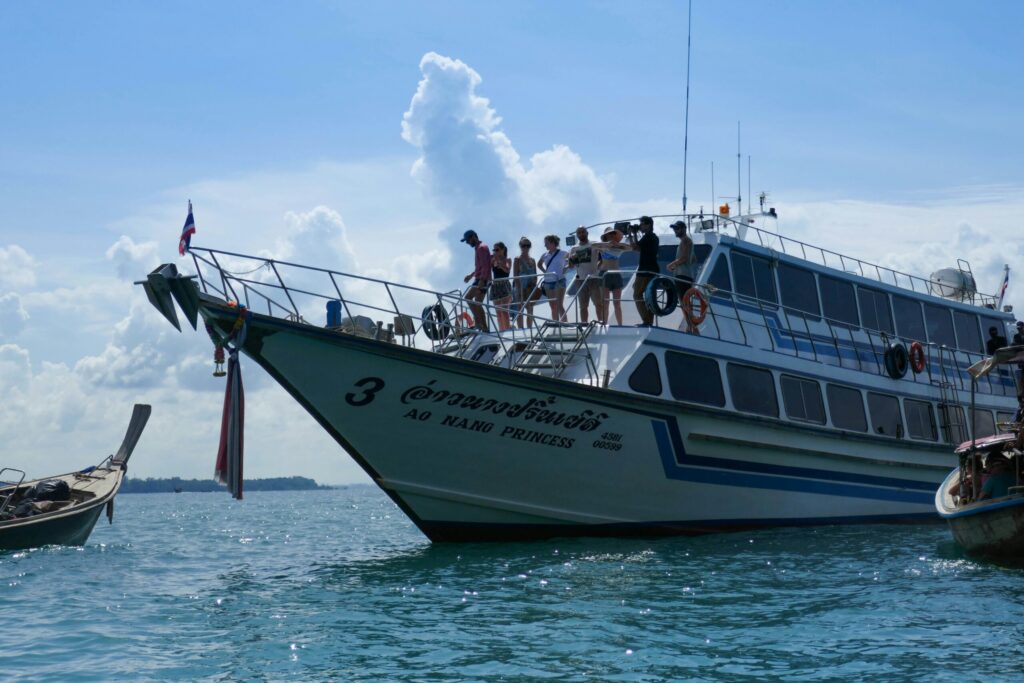
For tours and transportation, the amount often depends on the duration of the service and whether it was a private or shared experience.
Private Guides vs. Group Tours
Providing a tip to your guide is common practice, as they often go out of their way to ensure your comfort and safety.
- Group Tours
-
If you are part of a larger group, 100 THB per person is a standard gesture. Some guides may provide a “tip box” at the end of the tour.
- Private Guides
-
For a dedicated guide (half-day or full-day), a tip of 300 to 500 THB per group is appropriate. If the guide was exceptionally knowledgeable or flexible with your schedule, you may choose to give more.
- Drivers
-
If your tour includes a separate driver, it is polite to give them 50 to 100 THB as a thank-you for a safe journey.
Taxi and Ride-Sharing (Grab/Bolt)
Tipping for transportation is more casual and often involves “rounding up” the fare.
- Metered Taxis
-
Tipping is not mandatory, but it is common to round up to the nearest 10 or 20 THB. For example, if the meter shows 82 THB, you can give 90 or 100 THB and say, “Keep the change.”
- Ride-Sharing Apps (Grab/Bolt)
-
You do not need to tip in cash. However, these apps have a “Tip” feature after the ride is completed. If the driver was helpful with luggage or navigated through heavy traffic smoothly, adding 20 or 40 THB through the app is a nice gesture.
- Tuk-Tuks
-
Since you negotiate the price beforehand, tipping is generally not expected. However, rounding up the agreed price is always appreciated.
Essential Manners: How to Tip Like a Local
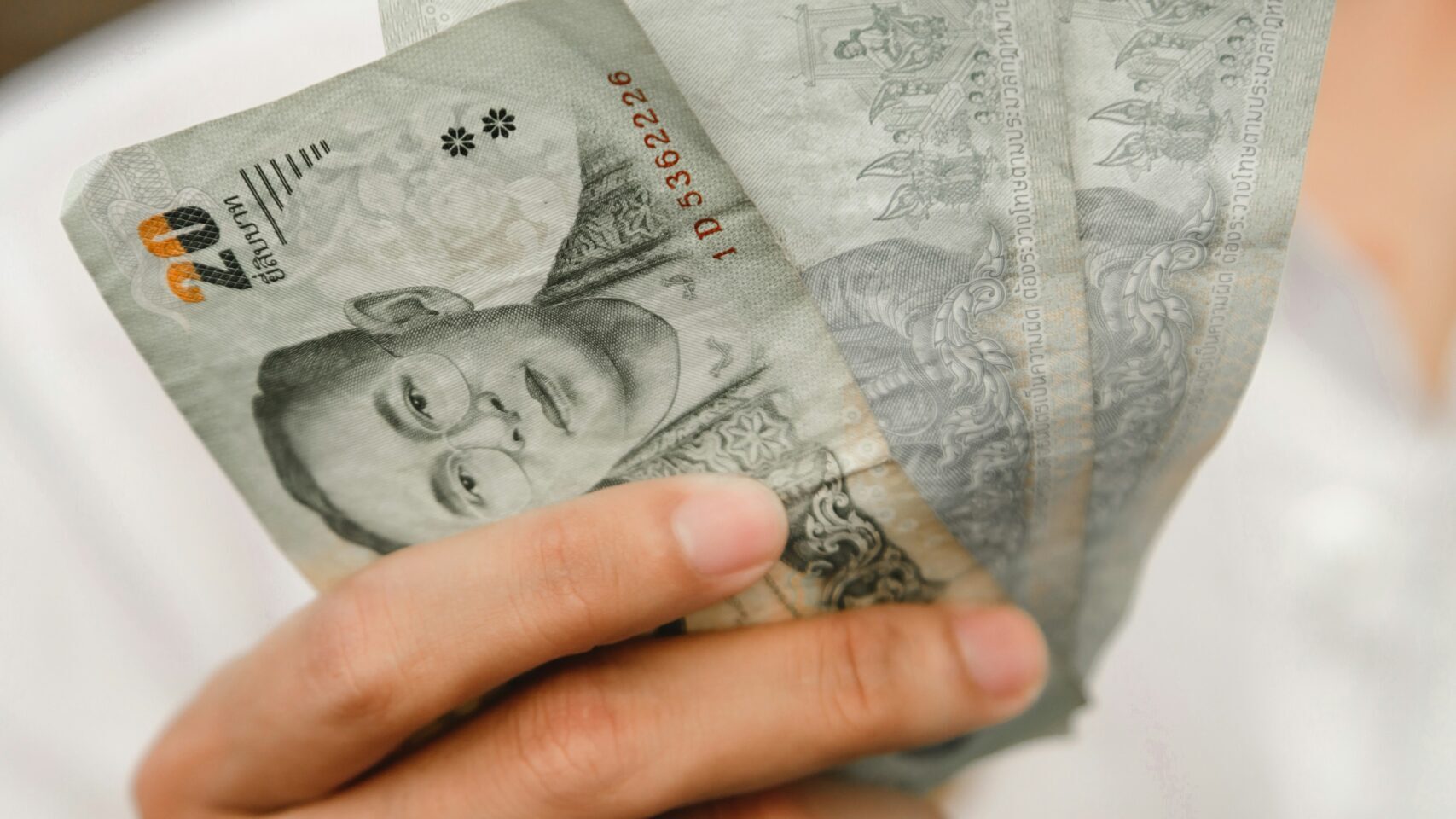
To tip with confidence and grace in Thailand, keep these two practical points in mind:
Use Notes, Not Coins
Always try to use banknotes (20, 50, or 100 THB) for tipping. In Thailand, coins are generally seen as “loose change” for street vendors or small transactions. Giving coins as a tip can unintentionally come across as less respectful, so it is a good idea to keep some small bills in your wallet.
The Power of a Smile and “Khop Khun Kha”
A tip is a tool for communication. When handing over your gratuity, a simple “Khop Khun Kha” (Thank you) and a smile are just as important as the money itself.
This simple interaction reflects the Thai spirit of appreciation and makes the exchange pleasant for both sides.
Conclusion: Travel with Grace and “Mai Pen Rai”
Tipping in Thailand doesn’t have to be complicated. If you’re ever unsure, just remember that it’s about showing a little extra kindness for good service. Even if you forget or don’t have the right change, don’t worry—the local “Mai Pen Rai” (no worries) spirit means people are generally easy-going.
Enjoy your journey, and let your “Nam-Jai” (generosity) lead the way!