
The best time to visit most of Thailand is November to February, when the weather is generally cooler and drier. However, the ideal travel season varies by destination.
Phuket and Krabi on the Andaman coast generally have their best beach weather from November to April, while Koh Samui on the Gulf coast often has better beach conditions during different months. Check the seasonal weather patterns for your destination before planning your trip.
Best Time to Visit Thailand: Quick Answer
The best time to visit most of Thailand is November to February, when the weather is generally cooler and drier. However, the ideal travel season varies by destination.
For beach holidays, Phuket and Krabi on the Andaman coast generally have their best conditions from November to April. Koh Samui on the Gulf coast has a different rainfall pattern, with wetter weather typically occurring from October to December.
Thailand Weather by Month: A Quick Guide
Thailand’s weather varies by region. This table summarizes typical conditions and helps you choose when and where to travel.
| Month | General Weather | Best For |
|---|---|---|
| January | Generally dry and relatively cool | Sightseeing, northern Thailand, Andaman beaches |
| February | Mostly dry, with rising temperatures | City trips, northern Thailand, beach holidays |
| March | Hotter weather; smoke haze possible in the north | Island trips, early-morning sightseeing |
| April | Very hot; Songkran celebrations | Thai New Year festivities, beach holidays |
| May | Rainfall increases in many areas | City breaks, flexible itineraries |
| June | Rainy season in much of the country | Cultural attractions, selected Gulf destinations |
| July | Frequent showers in many regions | City trips, indoor activities |
| August | Rainy conditions in many areas | Bangkok, flexible trips, Koh Samui |
| September | Heavy rainfall possible | Flexible itineraries, selected Gulf destinations |
| October | Rain continues in many areas | City trips, adaptable travel plans |
| November | Drier weather returns to many destinations | Bangkok, Chiang Mai, Phuket, Krabi |
| December | Generally pleasant in many regions | Sightseeing, northern Thailand, Andaman beaches |
- These are typical seasonal patterns, not a forecast. Weather varies by location and year, and Koh Samui follows a different rainfall pattern from Phuket and Krabi.
Thailand’s Three Seasons: Cool, Hot and Rainy

Thailand has three main seasons: cool, hot, and rainy. The timing and intensity vary by region, so understanding these seasonal patterns can help you plan your trip.
Cool Season (November–February)
The cool season is generally the most comfortable time for sightseeing in much of Thailand, with lower temperatures and less rainfall in many destinations.
It is a popular period for city tours and outdoor activities, although daytime temperatures can still be high in southern Thailand.
Hot Season (March–May)
Temperatures rise significantly during the hot season, especially in April. Plan outdoor activities for the morning or late afternoon and stay hydrated.
Northern Thailand may also experience smoke haze and elevated PM2.5 levels during the burning season, particularly from February to April.
Rainy Season (Roughly May–October)
Rainfall increases across much of Thailand, often in the form of heavy showers. Flexible itineraries help you adapt to changing conditions.
Seas can be rough around Phuket and Krabi during the southwest monsoon, while Koh Samui typically experiences its wetter period later in the year, especially from October to December. Check local forecasts and sea conditions before outdoor activities or island trips.
Best Time to Visit Each Region of Thailand
The best time to visit Thailand depends on your destination. Bangkok, northern Thailand, and the country’s two main beach coasts have different weather patterns.
Bangkok: Best Months for Sightseeing
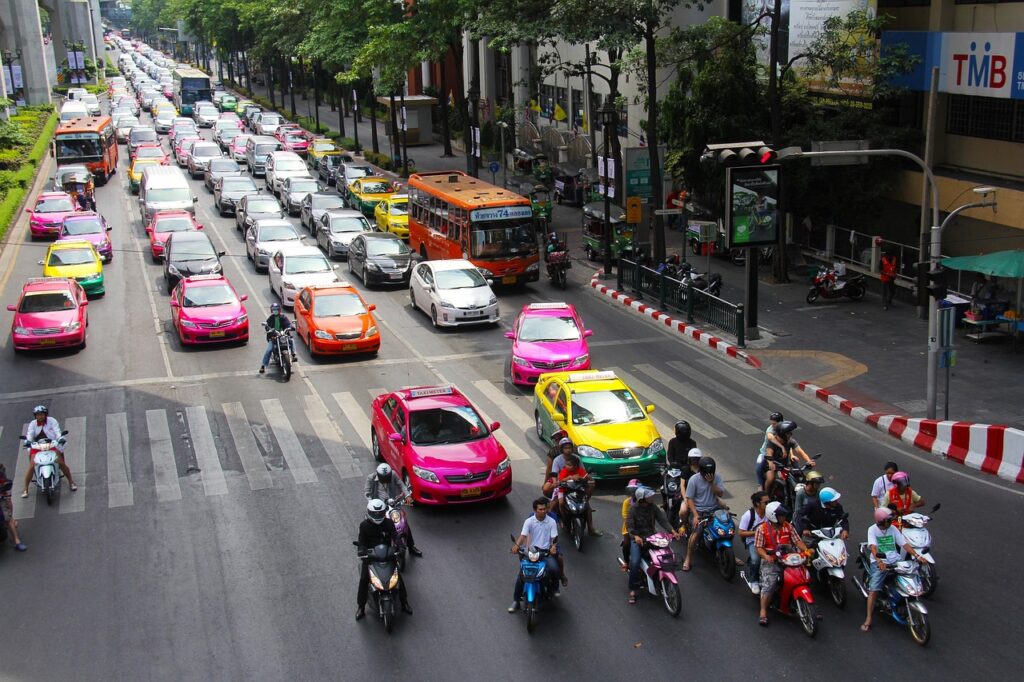
November to February is generally the most comfortable period for exploring Bangkok, with lower temperatures and less rain than during much of the rest of the year. March to May can be very hot, while rainfall increases during the rainy season. If visiting during the hotter months, plan outdoor sightseeing for early morning or late afternoon.
Chiang Mai and Northern Thailand: Cool Weather and Burning Season

November to February is a popular time to visit Chiang Mai, when cooler weather is ideal for temples, mountain scenery, and outdoor activities.
The burning season usually affects northern Thailand between February and April, with smoke haze and elevated PM2.5 levels possible, particularly in March. Check air quality reports before planning outdoor activities during this period.
Phuket and Krabi: Best Time to Visit the Andaman Coast

November to April is generally the best time for beach holidays in Phuket and Krabi. The weather is typically drier, and sea conditions are often more suitable for swimming, boat trips, and island excursions.
During the southwest monsoon, roughly May to October, rain and rough seas become more common. Boat services may be affected, and swimming conditions can be unsafe at times. Check local sea conditions and beach warning flags before entering the water.
Koh Samui: Understanding the Gulf Coast’s Weather Patterns

Koh Samui has a different rainfall pattern from Phuket and Krabi. January to September is often suitable for beach trips, although showers can occur, while October to December is generally wetter, especially in October and November.
If you plan to visit during the wetter months, allow flexibility for boat trips and outdoor activities. Weather conditions vary from year to year, so check the forecast before travelling.
Is Thailand Worth Visiting During the Rainy Season?

Yes. Thailand is worth visiting during the rainy season, roughly May to October in many regions. Rain showers can affect outdoor plans, but you can still enjoy city sightseeing, cultural attractions, and destinations with more favorable seasonal conditions. Flexible itineraries also make it easier to adjust your plans when the weather changes.
What to Expect from Rainy Season Weather
Rainy season weather in Thailand varies by region. Showers can be brief and heavy, but prolonged rain and flooding are also possible. Humidity is generally high, and rough seas can affect boat trips along the Andaman coast, including Phuket and Krabi.
Koh Samui has a different rainfall pattern, with its wetter months typically falling toward the end of the year.
Where to Go in Thailand During the Rainy Season
- Bangkok: Visit shopping malls, museums, temples, and indoor attractions between showers.
- Chiang Mai: Explore temples, cafés, and cultural attractions, while checking weather conditions before mountain excursions.
- Koh Samui: Consider a beach stay, but check the forecast and sea conditions, especially later in the year.
- Phuket and Krabi: Enjoy resort facilities and land-based activities when the weather allows. Check sea conditions before swimming or booking boat trips.
Tips for Planning a Rainy Season Trip
- Keep your schedule flexible: Leave room to rearrange outdoor activities if rain affects your plans.
- Check transport conditions: Heavy rain can disrupt road travel, ferries, and island excursions.
- Choose accommodation carefully: A hotel with a pool, spa, or indoor facilities gives you more options on rainy days.
- Check local forecasts: Review weather alerts and sea conditions before swimming, hiking, or taking a boat trip.
What to Wear in Thailand: Seasonal Packing Tips

Thailand’s tropical climate calls for lightweight clothing throughout the year. Your packing list should also account for seasonal rain, air-conditioned indoor spaces, and cooler mornings in northern Thailand.
Clothing for Hot and Cool Weather
Pack breathable clothing made from lightweight fabrics, along with comfortable walking shoes or sandals. During the hot season, a sun hat and sunglasses are useful for outdoor sightseeing.
For visits to temples, bring clothing that covers your shoulders and knees. If you’re travelling to Chiang Mai or other mountainous areas between November and February, pack a light jacket for cooler mornings and evenings. A thin layer is also useful in heavily air-conditioned malls and restaurants.
Rain Gear and Essentials for the Rainy Season
For travel during the rainy season, pack a compact umbrella, a lightweight rain jacket, and a waterproof bag or phone pouch. Quick-drying clothing and sandals with good grip are practical when streets and pavements are wet.
A waterproof cover for your day bag can help protect your camera, documents, and other valuables. If you plan to visit islands, check the weather and boat schedules before departure, as rough seas may disrupt services.
FAQs About the Best Time to Visit Thailand
Final Thoughts
The best time to visit Thailand depends on your itinerary. November to February is generally ideal for sightseeing, while beach holidays require a closer look at regional weather patterns.
Choose your travel dates based on the places you want to visit, the activities you plan to enjoy, and your comfort with heat and rain. Checking local weather forecasts before departure will help you prepare for changing conditions.