Planning a trip to Thailand and wondering, “Is Thailand safe to travel to in 2026?”
Thailand is generally considered a safe destination for tourists, but like anywhere, there are some situations and areas where extra care is needed. Knowing the local rules, common scams, transportation risks, food and water precautions, and current regional travel advisories can help you enjoy your trip with greater peace of mind.
This guide covers the essential Thailand travel safety tips for first-time visitors, including what to know before you go and practical precautions for Bangkok and other popular destinations.
🛫 Thailand Travel Safety Tips Before You Go
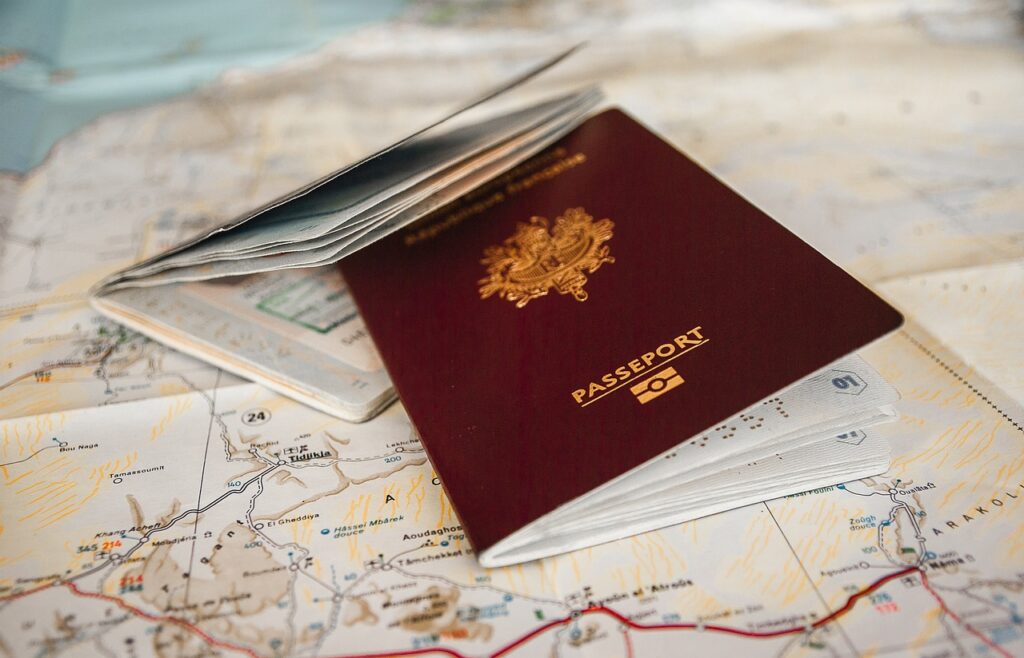
Before traveling to Thailand, check the latest travel information and prepare a few essentials. A little preparation can make your trip smoother and give you peace of mind.
✅ Check the Latest Travel Advisories
Travel advisories can change depending on local conditions, weather, or specific regions.
Check the latest official travel advice shortly before your departure, especially if you plan to visit areas near international borders.
💻 Get Travel Insurance
Thailand introduced the Thailand Digital Arrival Card (TDAC) to streamline immigration Travel insurance can help cover unexpected costs such as medical treatment, accidents, or lost baggage.
Check the coverage and exclusions before your trip, particularly if you plan to take part in activities such as diving or riding a motorcycle.
🔒 Common Scams and Tourist Safety in Thailand
Scams targeting tourists can occur in popular destinations in Thailand, particularly around busy tourist areas. Most can be avoided by checking prices in advance, using reputable services, and being cautious with unsolicited offers.
✔️ Common Tourist Scams
Common scams reported in Thailand include overpriced tours, gem scams, bar or restaurant bill disputes, and offers that seem unusually attractive.
If someone approaches you with an unexpected offer or insists that you visit a particular shop or attraction, take a moment to check the details before agreeing.
Taxi and Tuk-Tuk Scams
Some taxi and tuk-tuk drivers may refuse passengers, quote an unusually high fare, or avoid using the meter. The U.S. Department of State recommends requesting the meter for taxis or agreeing on the fare before starting the journey.
For a simpler option, ride-hailing apps such as Grab and Bolt are widely used in Thailand. Check that the vehicle and driver match the information shown in the app before getting in.
👮 Protect Your Belongings
Pickpocketing and bag-snatching can occur, particularly in crowded places. Keep your phone, wallet, and passport secure and avoid leaving valuables unattended.
It is also important not to hand your passport to unfamiliar individuals as security for rentals or other services. Official travel guidance specifically warns about passport retention in some rental-related disputes.
If you need help with a tourist-related problem, Tourist Police can be reached at 1155.
🚗 Transportation Safety in Thailand
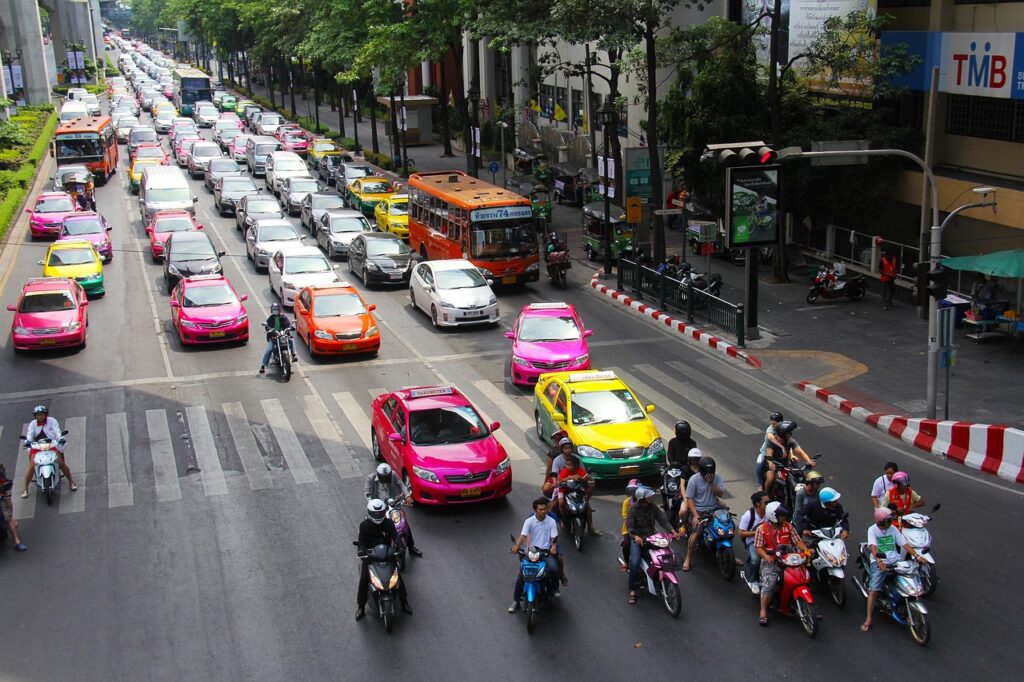
Getting around Thailand is generally straightforward, especially in major tourist destinations. However, traffic conditions can be different from what you may be used to, so choose transportation carefully and allow extra time for busy roads.
🚖 Using Taxis and Ride-Hailing Apps
When taking a taxi, check that the meter is running or agree on the fare before starting your journey. Ride-hailing apps can also be convenient because you can check the fare and vehicle details in advance.
Before getting into a ride-hailing vehicle, confirm that the license plate and driver information match the details shown in the app.
🚌 BTS, MRT, and Public Transportation
Bangkok’s BTS Skytrain and MRT are useful options for getting around the city, particularly during busy periods when roads can be congested.
On public transportation, keep your phone, wallet, and other valuables secure, especially in crowded stations and trains.
🏍️ Road and Motorcycle Safety
Road traffic is one of the important safety considerations when traveling in Thailand. Be particularly careful when crossing roads, even at pedestrian crossings, and watch for motorcycles approaching from different directions.
If you rent a motorcycle, make sure you have the appropriate license and insurance and always wear a helmet.
🍜 Food, Water, and Health Safety
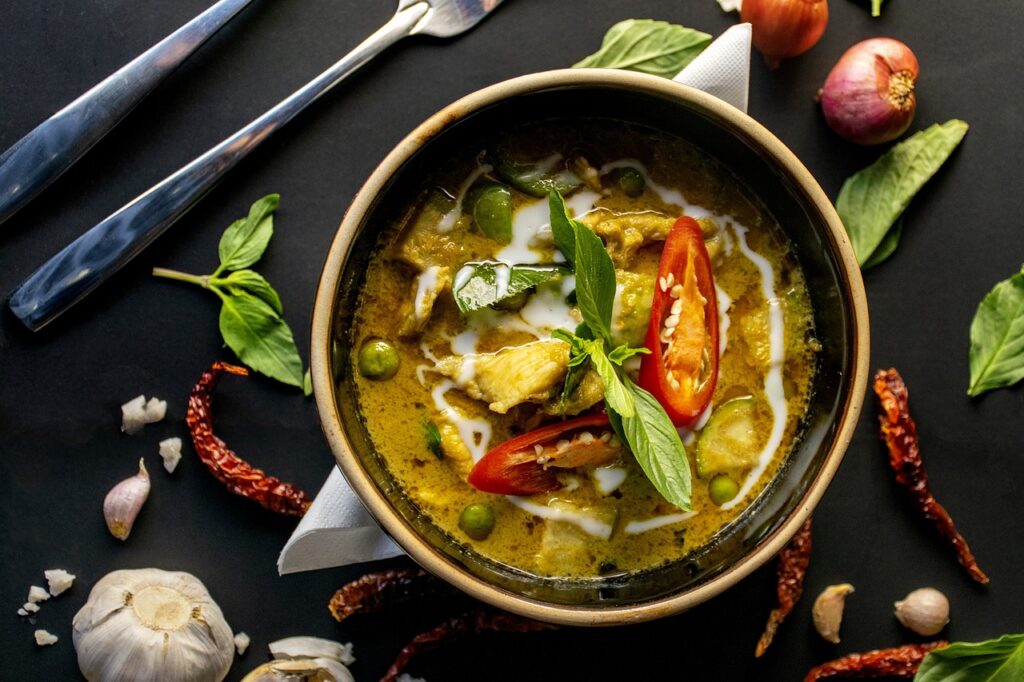
Food and water are another important part of staying healthy while traveling in Thailand. A few simple precautions can help you enjoy local food while reducing the risk of stomach problems.
💧 Is Tap Water Safe to Drink in Thailand?
Tap water is not generally recommended for drinking in many areas of Thailand. Bottled water is a simple option for travelers. Check that the seal is intact before opening the bottle.
If you are unsure about ice or water served at a particular location, ask whether it is made with safe drinking water.
🍢 Food Safety Tips
Thailand has a wide variety of street food and local restaurants. When choosing where to eat, look for places that are busy with local customers and where food is freshly prepared.
Be especially careful with food that has been sitting at room temperature for a long time, and wash your hands before eating.
🦟 Heat, Mosquitoes, and Air Quality
Thailand’s hot and humid weather can make it easy to become dehydrated, particularly when sightseeing outdoors. Drink water regularly and take breaks in air-conditioned or shaded places.
Mosquitoes can also be present, so insect repellent can be useful, especially in areas where mosquito activity is higher.
Air quality varies by season and location. If you are visiting during a period of seasonal haze, check the local air-quality forecast before spending long periods outdoors.
👉 Explore our no-spicy food guide.

🚫 Thai Laws and Local Customs Tourists Should Know

Understanding a few local rules before your trip can help you travel comfortably in Thailand. Laws and regulations can change, so check current official information when your trip involves regulated products or activities.
☀️ Important Laws for Tourists
Carry your passport securely and follow local laws while traveling. Rules that may seem familiar in your home country can be different in Thailand.
When in doubt about a particular activity or product, check the latest information from an official Thai government source before participating or purchasing.
🍺 Cannabis, Alcohol, and Smoking Rules
Thailand’s cannabis regulations have changed significantly. Since June 2025, cannabis flower has been subject to stricter controls, and unauthorized use, possession, or purchase is not permitted.
Alcohol rules have also been updated. Since May 29, 2026, alcohol can generally be sold from 11:00 to 24:00, although different conditions may apply depending on the venue and location. The legal drinking age is 20.
Check the latest regulations if you plan to buy or consume alcohol or cannabis products during your trip.
🛕 Temple Etiquette and Local Customs
When visiting temples, dress respectfully and follow signs or instructions at the entrance. Remove your shoes when required and avoid loud or disruptive behavior.
A little awareness of local customs goes a long way when visiting religious sites and interacting with local people.
👑 Respect for the Royal Family
Speaking disrespectfully about the royal family is a serious offense under Thai law — avoid jokes or political discussions.
- Never speak negatively about the monarchy.
- Stand when the national anthem plays (e.g. before movies).
🚫 Foot & Head Taboos Explained
In Thai culture, the head is considered sacred and the feet are viewed as the lowest part of the body.
Avoid touching anyone’s head and do not point your feet at people or religious objects.
🌊Weather and Natural Disaster Safety
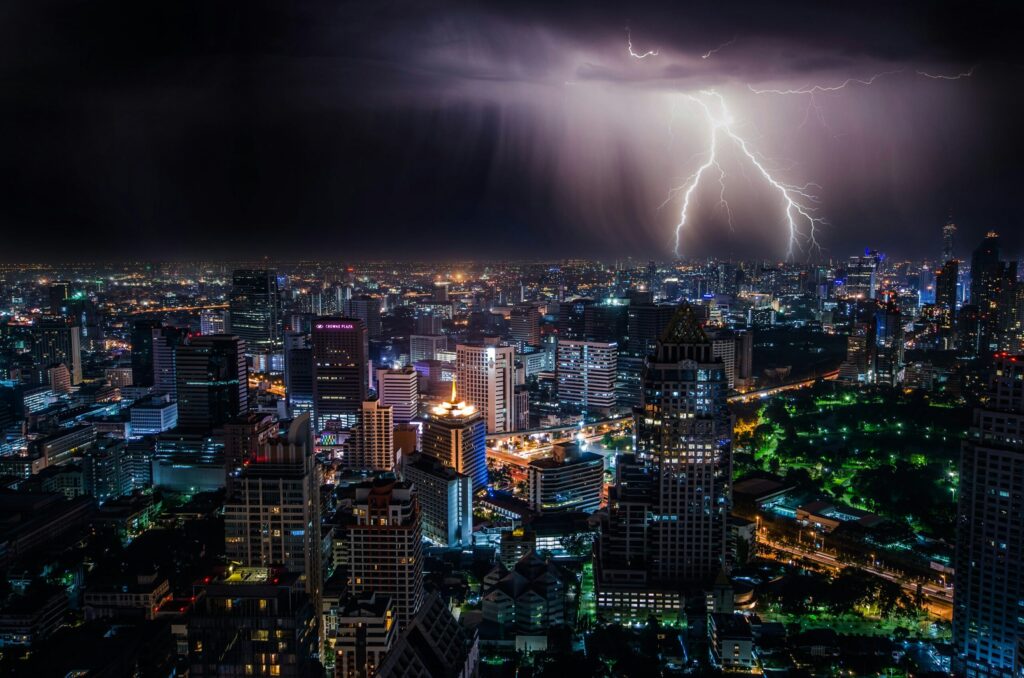
Thailand’s weather varies considerably by season and region. Rain, flooding, extreme heat, and seasonal air pollution can affect travel plans.
🚭 Thailand’s Rainy Season and Flooding
Heavy rain can cause temporary flooding and traffic delays, particularly during the rainy season. Check the weather forecast before heading out and allow extra travel time when heavy rain is expected.
If roads or public transportation are affected, follow local announcements and consider changing your route or schedule.
🌞 Extreme Heat and Sun Exposure
Thailand can be very hot, particularly during the hottest months. Drink plenty of water, use sunscreen, and take regular breaks from direct sunlight.
If you are sightseeing for several hours, planning indoor activities during the hottest part of the day can make your itinerary more comfortable.
💧 What to Do During Severe Weather
If severe weather is forecast, check updates from local authorities and your hotel or accommodation. Avoid flooded roads and areas affected by strong winds or other hazardous conditions.
For longer trips, it is useful to check the weather for each destination rather than relying only on a nationwide forecast.
🩺 What to Do in an Emergency in Thailand
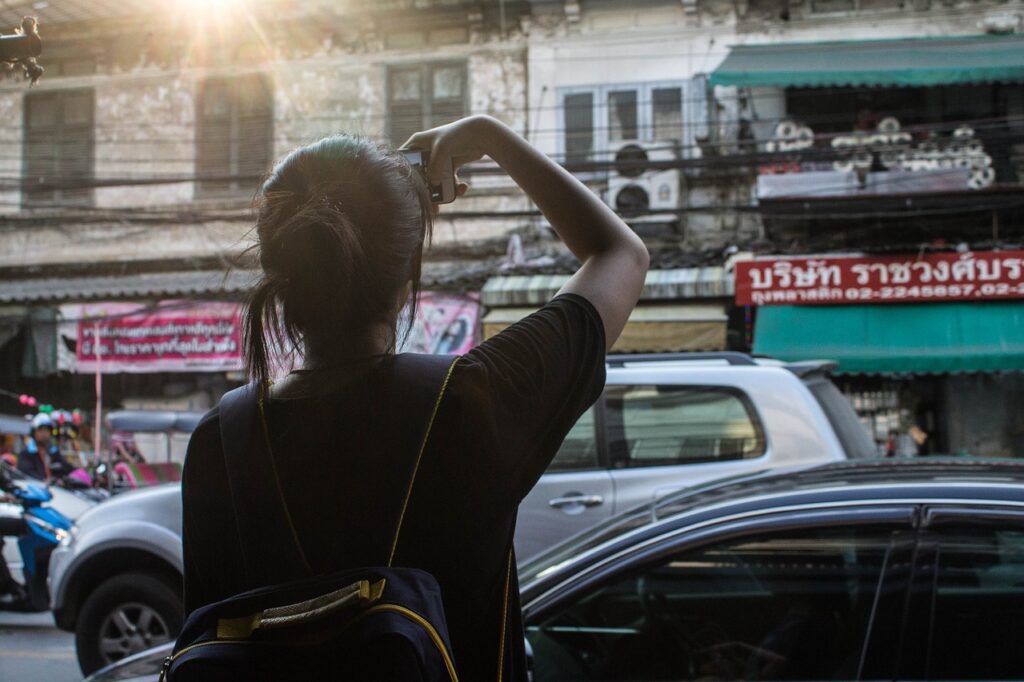
Knowing what to do in an emergency can make it easier to get assistance quickly. Save important numbers before your trip and keep your passport and travel insurance information accessible.
👮Thailand Emergency Numbers
The main numbers useful for tourists include:
| Service | Number |
|---|---|
| Tourist Police | 1155 |
| Emergency Police | 191 |
| Medical Emergency | 1669 |
| Fire and Rescue | 199 |
| Tourism Authority of Thailand | 1672 |
These numbers are listed by the Thai government and Tourist Police.
🛡If You Lose Your Passport or Valuables
If your passport is lost or stolen, report the incident to the police and contact your country’s embassy or consulate for assistance.
For lost valuables, check with your hotel, transportation provider, or the place you last visited as soon as possible.
If You Need Medical Help
For a medical emergency, call 1669 for emergency medical services.
For less urgent medical needs, your hotel can often help you find a nearby hospital or clinic. Keep your travel insurance details available in case you need to contact your insurer.
❔Thailand Travel Safety FAQs
🌟 Summary
Thailand is a popular destination for tourists, and most trips can be enjoyed comfortably with basic precautions. Before traveling, check the latest travel advisories, arrange travel insurance, and save important emergency contacts.
During your trip, pay attention to transportation and road safety, keep valuables secure, and take precautions with food, water, heat, and mosquitoes. It is also important to follow Thailand’s local laws and customs, as regulations can differ from those in your home country.
Conditions can vary by destination and season, so check local weather and travel information during your stay. With a little preparation and awareness, you can enjoy Thailand with greater peace of mind.p with confidence.