
The Rabbit Card is a reusable contactless card mainly used for travelling on Bangkok’s BTS Skytrain.
You can buy a Rabbit Card at participating BTS stations, and the total amount you pay depends on the card issuance fee and the value you add to the card.
Rabbit Cards can be topped up at BTS stations, while online top-up options may depend on the card type, registration and available services.
In this guide, you’ll find the current Rabbit Card price, where to buy one, how to top it up and where you can use it in Bangkok.

🧾 What is the Rabbit Card?
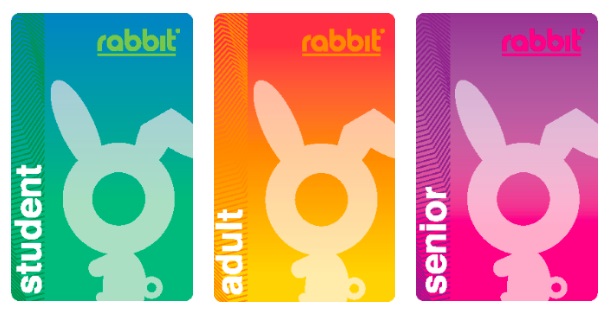
A Rabbit Card is a reusable contactless smart card mainly used for travelling on Bangkok’s BTS Skytrain.
Instead of buying a single-journey ticket for each trip, you can add money to the card and tap it at the BTS ticket gates. The fare is deducted from your Rabbit Card balance.
The card can also be accepted by selected shops and services, but for most visitors to Bangkok, its main purpose is convenient travel on the BTS Skytrain.
What Is the Rabbit Card Used For?
The Rabbit Card is mainly used to pay for BTS Skytrain journeys in Bangkok.
It allows you to tap through the ticket gates without buying a ticket before every trip. Depending on participating services and merchants, the card may also be accepted for payments at selected shops and businesses.
For most tourists, however, the BTS Skytrain is the main reason to use a Rabbit Card.
Is the Rabbit Card Worth It for Tourists?
The Rabbit Card is primarily used on the BTS Skytrain Sukhumvit Line and Silom Line. It is not compatible with the MRT subway system, but it is widely accepted within the BTS network.
Beyond transportation, the card can also be used for payments at selected convenience stores, cafés, and retail shops that are part of the Rabbit Card partner network. This includes popular spots inside or near BTS stations, making it useful for small daily purchases during your trip.
While its main purpose is transportation, this added payment function makes the Rabbit Card more versatile compared to standard transit cards.
🎫 Where to Buy a Rabbit Card in Bangkok
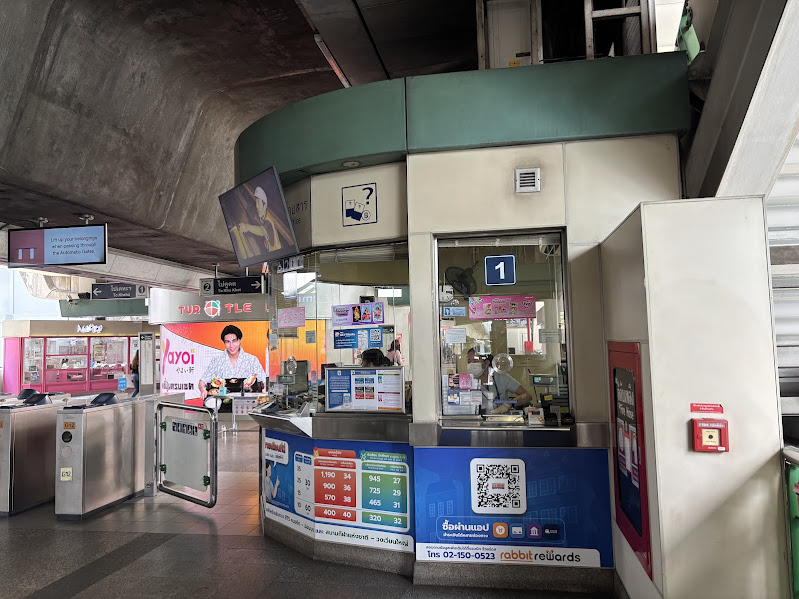
You can buy a Rabbit Card at BTS Skytrain stations in Bangkok. Online purchase options may also be available through travel booking platforms.
The price depends on the card type and the amount required for issuance and initial stored value. The sections below explain where to buy a Rabbit Card and how much you can expect to pay.
Buy a Rabbit Card at BTS Skytrain Stations
Rabbit Cards are available at BTS Skytrain stations in Bangkok.
Visit the ticket office or service counter and ask to buy a Rabbit Card. Tourists can purchase one, and you may be asked to complete the required registration process.
After receiving your card, you can add credit and start using it for eligible BTS journeys.
Buying a Rabbit Card Online
For a smoother arrival experience, many travelers choose to pre-book the Rabbit Card online via Klook or Trip.com and pick it up at Suvarnabhumi Airport (BKK).
After booking, you simply go to the designated Klook counter in the arrival hall at Suvarnabhumi Airport and present your voucher. The staff will hand over your Rabbit Card, often with an initial balance already loaded, allowing you to start using the BTS Skytrain immediately after entering the city.
Klook.com💰 How Much Is a Rabbit Card in Bangkok?
Rabbit Card Price in 2026
The standard Rabbit Card is currently 200 THB.
The price includes the card issuance fee and an initial stored value, which you can use for BTS journeys and other eligible Rabbit services.
Card Fee and Initial Top-Up Amount
The standard Rabbit Card price is made up of:
- Card issuance fee: 100 THB
- Initial stored value: 100 THB
- Total: 200 THB
The initial 100 THB stored value can be used for travel after you purchase the card.
How Much Should You Top Up?
How much you should add to your Rabbit Card depends on how often you plan to use the BTS Skytrain.
For a short Bangkok trip, starting with 200–300 THB of stored value is usually enough for several BTS journeys. You can add more money later if needed.
You can check your remaining balance and top up your Rabbit Card at BTS stations. The minimum top-up amount is 100 THB, while the stored-value balance can be topped up to a maximum of 4,000 THB.
🚉 How to Top Up a Rabbit Card
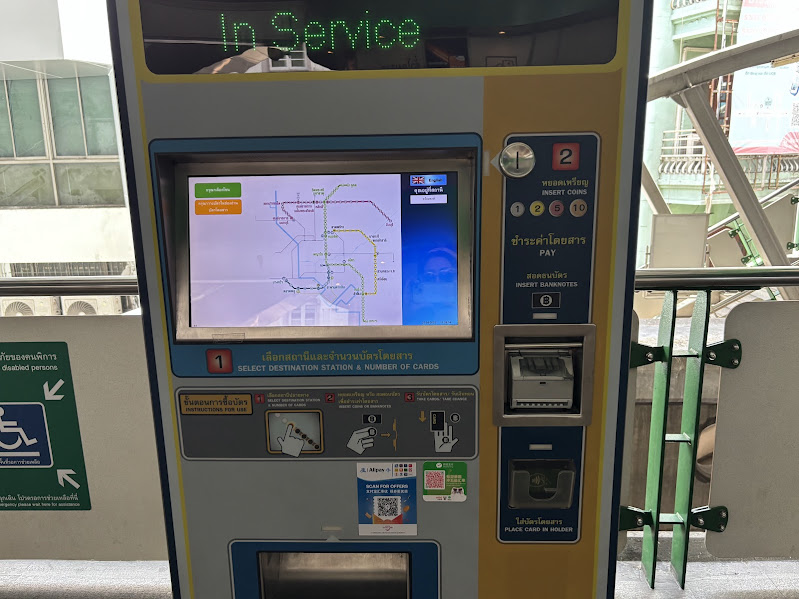
You can top up a Rabbit Card at BTS Skytrain stations in Bangkok.
Depending on the station and available facilities, you can add money to your card at a ticket counter or by using a top-up machine. Make sure to check the available payment methods before topping up.
Top Up at a BTS Ticket Counter
Visit the ticket counter at a BTS Skytrain station and ask to top up your Rabbit Card.
Hand your Rabbit Card to the staff and tell them how much you would like to add. After the top-up is completed, check your remaining balance before leaving the counter.
Using a Rabbit Card Top-Up Machine
Some BTS stations have machines that allow you to top up a Rabbit Card.
Follow the instructions on the machine, place or tap your card as instructed and select the amount you want to add. Available payment methods and machine functions may vary by station.
🛍️ Where Can You Use a Rabbit Card in Bangkok?
A Rabbit Card is mainly used for travelling on Bangkok’s BTS Skytrain. It may also be accepted at selected shops, cafés and other participating businesses.
Where you can use the card depends on whether the transport service or merchant accepts Rabbit payments.
BTS Skytrain
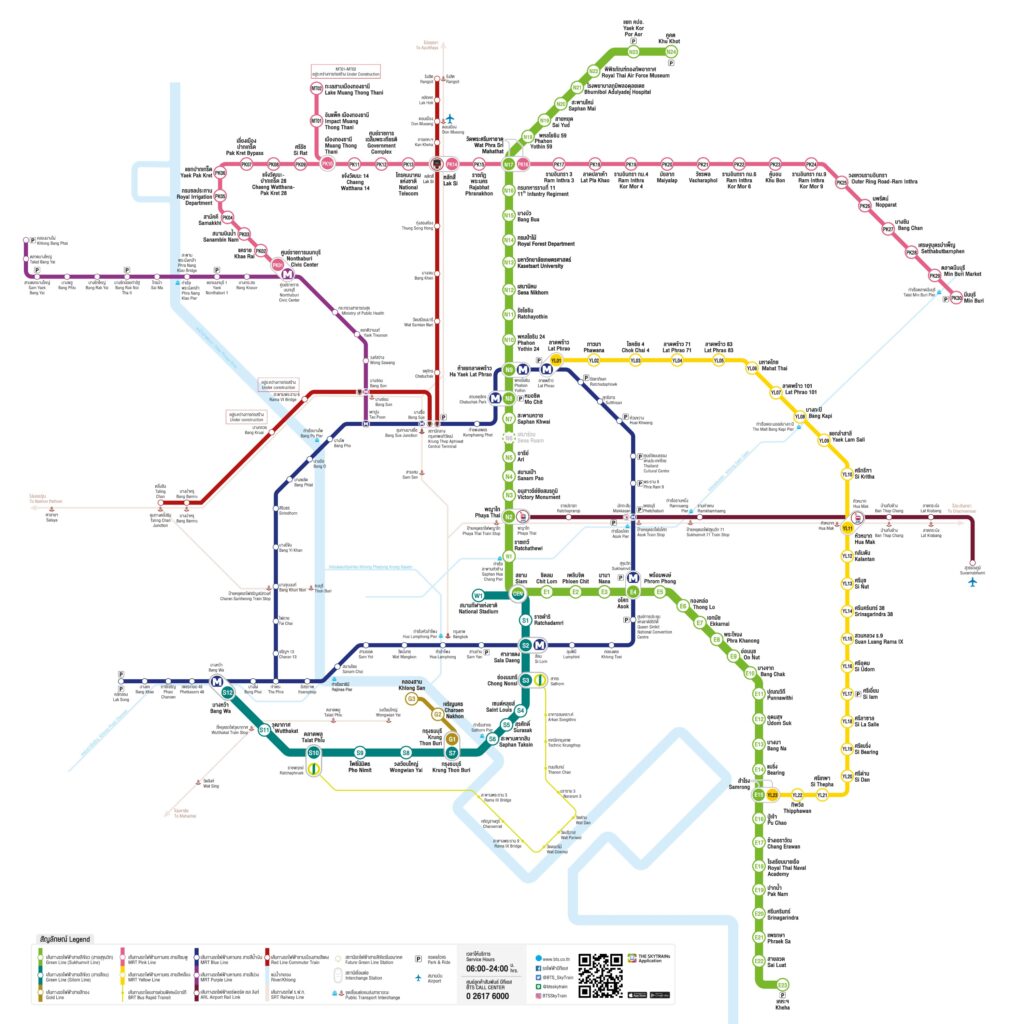
Rabbit Card can be used on several public transport lines in Bangkok:
- BTS Skytrain: Major areas such as Sukhumvit, Siam and Phrom Phong
- Yellow and Pink Lines: The newer urban rail lines that opened from 2023 onward
- Gold Line: Convenient for visiting ICONSIAM
The Rabbit Card is mainly useful for travelling on Bangkok’s rail network. If you plan to use the MRT, check the accepted payment methods separately, as the Rabbit Card is not the standard payment card for the MRT network.
Shops and Cafés
Rabbit Cards may also be accepted at selected shops, cafés and other participating businesses.
Availability can vary, so look for the Rabbit logo or check with the merchant before making a payment. For most tourists, however, the BTS Skytrain remains the main place where the card is used.
Where You Can Use the Rabbit Card for Shopping and Dining👇
https://rabbit.co.th/where-to-use-rabbit-card
⏳ Rabbit Card Validity & Expiry
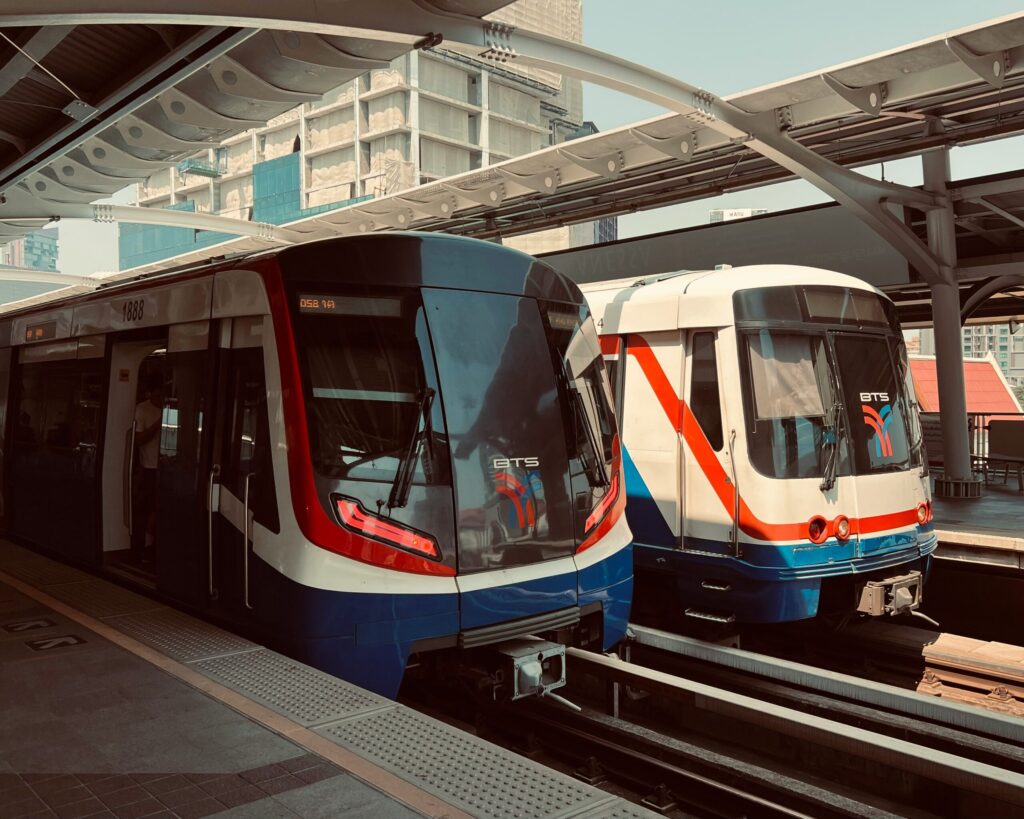
A Rabbit Card can be useful for frequent visitors to Thailand because the physical card has a long validity period.
- Card validity: 7 years from the date of issuance
- Stored-value validity: 2 years from the date the card was last used or topped up
If the Rabbit Card has not been used or topped up for more than two years, it may no longer be available for use.
This makes the Rabbit Card a convenient option for travellers who visit Bangkok regularly, as you may be able to use the same card again on a future trip as long as it remains within its validity period.
🔁 Rabbit Card vs. One-Day Pass
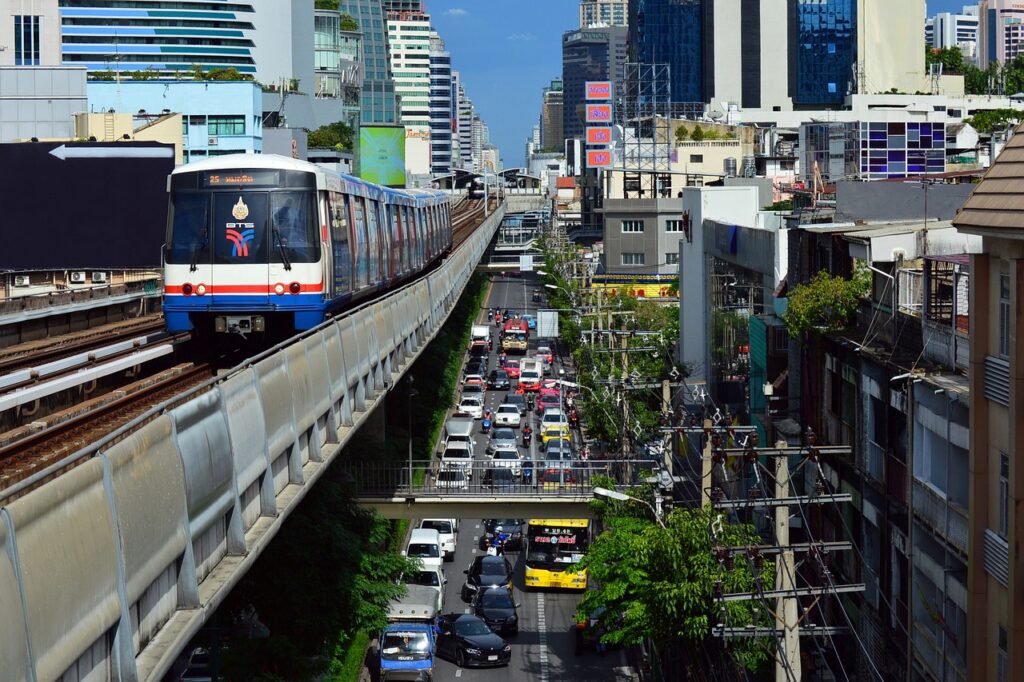
Both the Rabbit Card and the BTS One-Day Pass can be useful for travelling on Bangkok’s BTS Skytrain, but they are designed for different travel styles.
| Rabbit Card | BTS One-Day Pass | |
|---|---|---|
| Best for | Flexible travel over multiple days | Multiple BTS journeys in one day |
| Payment | Pay per journey using stored value | Fixed-price unlimited travel |
| Validity | Depends on the card’s terms | Valid for one day |
| Best for tourists | Visitors using the BTS during their stay | Visitors planning frequent BTS travel in one day |
A Rabbit Card is generally more suitable if you plan to use the BTS over several days and want a reusable card.
A BTS One-Day Pass may be a better option if you plan to make multiple BTS journeys within a single day. Before choosing, consider how many times you expect to use the BTS and whether your sightseeing plans are concentrated in one day.
Klook.com❓ Rabbit Card Bangkok FAQ
🔚 Summary
A Rabbit Card is a convenient option for travellers who plan to use Bangkok’s BTS Skytrain during their trip.
You can buy a Rabbit Card at participating BTS stations and top it up when needed. It can also be used at selected businesses that accept Rabbit payments.
Before buying a card, check the current price, validity and payment options to make sure it suits your travel plans. If you visit Bangkok regularly, the Rabbit Card can also be useful as a reusable travel card for future trips.
For occasional visitors, compare the Rabbit Card with the BTS One-Day Pass and single-journey tickets based on how often you plan to use the BTS.